Category: Home Services

  • Smarter Ways to Heat and Cool Your Home Without Wasting Energy

    Smarter Ways to Heat and Cool Your Home Without Wasting Energy

    Keeping a home comfortable sounds simple enough until the weather starts swinging from one extreme to another. One month, the heating system is working overtime. A few months later, the air conditioner seems to run all day just to keep the indoor temperature bearable. Meanwhile, energy bills keep climbing.

    The good news is that comfort and efficiency don’t have to be enemies. With the right equipment, sensible maintenance, and a few improvements around the property, homeowners can create a comfortable indoor environment while using less energy. In many cases, the biggest savings don’t come from turning the thermostat down or up dramatically. They come from making the entire heating and cooling system work smarter.

    Why Heating and Cooling Efficiency Matters

    Heating and cooling account for a significant portion of household energy consumption. Older furnaces, inefficient air conditioners, poorly insulated homes, and outdated thermostats can all contribute to unnecessary energy use.

    There’s also a comfort issue. An inefficient system may leave some rooms too warm while others remain chilly. You might hear the equipment running constantly, yet the house never quite feels right. That’s usually a sign that something needs attention.

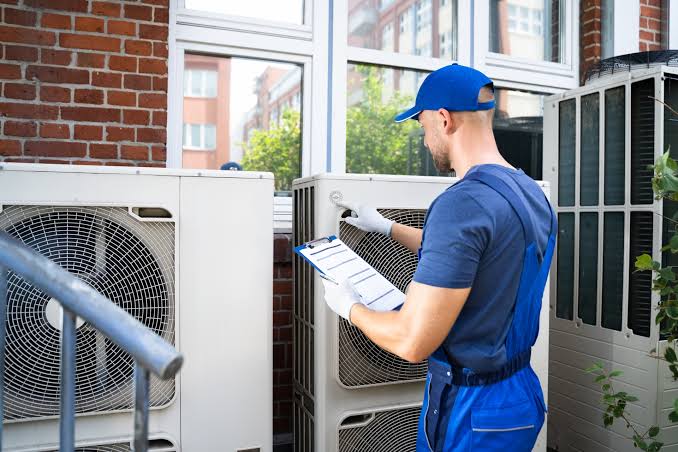
    Choosing an energy-efficient way to heat and cool a property can make a noticeable difference over time. Modern HVAC equipment is designed to deliver more usable heating or cooling while consuming less electricity or fuel. That means better comfort without asking your utility meter to work quite so hard.

    Start With the Building, Not Just the HVAC System

    It’s tempting to assume that buying a newer air conditioner or furnace automatically solves efficiency problems. It doesn’t always.

    Think about your home as a complete system. If warm air escapes through poorly sealed windows, doors, attics, or ductwork, even an excellent HVAC unit has to work harder to maintain the desired temperature.

    Insulation is particularly important. A properly insulated attic can help keep heated air inside during winter and reduce unwanted heat entering the home during summer. Weatherstripping around doors and windows can also stop small leaks that add up over the course of a season.

    Ductwork deserves attention, too. Leaky or poorly insulated ducts can waste conditioned air before it ever reaches a living space. In some houses, improving the duct system can be just as worthwhile as upgrading the HVAC equipment itself.

    Choosing the Right HVAC Equipment

    Not every heating or cooling system is suitable for every building. Size matters, and bigger isn’t automatically better.

    An oversized air conditioner may cool a room quickly but cycle on and off too frequently. That can affect comfort, humidity control, and equipment longevity. An undersized system, on the other hand, may struggle continuously during extreme weather.

    A professional HVAC assessment can help determine the appropriate system size based on factors such as square footage, insulation, windows, building orientation, and local weather conditions.

    For homeowners considering a replacement, high-efficiency heat pumps, modern central air conditioners, variable-speed systems, and efficient furnaces are worth discussing with a qualified professional. The best choice depends on the property’s design and the homeowner’s budget.

    Understanding Local Weather Conditions

    Climate plays a major role in HVAC performance. A system that works beautifully in a mild coastal region may face a completely different workload in a place with hot summers, cold winters, or dramatic temperature changes.

    This is especially relevant when planning HVAC upgrades for Oklahoma’s climate, where seasonal conditions can put considerable demands on both heating and cooling equipment. Summers can bring intense heat, while winter weather can occasionally become surprisingly cold. A dependable system needs to handle both sides of that equation.

    Rather than choosing equipment based only on its advertised efficiency rating, homeowners should consider how well the system matches local conditions. Professional installation matters here because even excellent equipment can perform poorly when it’s incorrectly sized or installed.

    Don’t Ignore Routine Maintenance

    HVAC maintenance isn’t the most exciting item on a homeowner’s to-do list, but it can prevent plenty of headaches.

    Air filters should be checked regularly and replaced or cleaned according to the manufacturer’s recommendations. A clogged filter restricts airflow, forcing the system to work harder. It can also affect indoor air quality and place additional stress on components.

    Seasonal professional inspections are useful as well. A technician can inspect electrical connections, refrigerant levels, moving parts, burners, ductwork, drainage, and other components that aren’t easy for most homeowners to evaluate themselves.

    Small problems are generally easier and less expensive to address when they’re caught early. That strange noise you’ve been ignoring? It may be nothing. But it’s better to find out before the system stops working on the hottest day of the year.

    Smart Thermostats Can Help

    A programmable or smart thermostat can make temperature management much easier. Instead of heating or cooling an empty house at the same level all day, homeowners can create schedules around their routines.

    For example, the thermostat can be adjusted when everyone leaves for work or school and programmed to restore a comfortable temperature shortly before people return.

    Smart thermostats may also provide useful information about energy use and temperature patterns. That data can reveal habits that are quietly increasing consumption.

    Still, technology isn’t magic. A smart thermostat won’t compensate for poor insulation, an incorrectly sized HVAC system, or major duct leaks. It’s one piece of a larger efficiency strategy.

    Efficiency for Homes and Businesses

    Energy management isn’t limited to houses. Offices, retail spaces, warehouses, restaurants, and other buildings also depend heavily on reliable temperature control.

    For residential and commercial properties, HVAC efficiency can influence operating costs, employee comfort, customer experience, and equipment reliability. Commercial buildings often have more complicated heating and cooling requirements, particularly when different rooms have different occupancy levels or operating schedules.

    Zoning systems can be useful in these situations. Instead of treating an entire building as one large space, zoning allows temperatures to be managed more selectively. A conference room that sits empty most of the day doesn’t necessarily need the same level of conditioning as a busy workspace.

    Don’t Overlook Indoor Air Quality

    Heating and cooling are closely connected with indoor air quality. Filters, ventilation, humidity levels, and duct cleanliness can all affect how comfortable a building feels.

    Excess humidity can make warm temperatures feel even hotter, while extremely dry indoor air can be uncomfortable during colder months. Good ventilation and appropriate humidity control can make a noticeable difference.

    Regular filter replacement is one of the simplest steps homeowners can take. For people with particular indoor air concerns, a professional can recommend additional filtration or ventilation options based on the building and its occupants.

    Small Changes Can Add Up

    Not every efficiency improvement requires a major renovation. Closing blinds during intense summer sunshine, using ceiling fans appropriately, sealing obvious drafts, keeping outdoor HVAC units clear of debris, and avoiding unnecessary thermostat adjustments can all help.

    The key is consistency. One small improvement may not dramatically change a monthly bill, but several sensible changes working together can have a much greater effect.

    It’s also worth remembering that energy efficiency isn’t only about saving money. Efficient equipment can reduce unnecessary energy consumption, improve comfort, operate more quietly, and potentially reduce the frequency of repairs.

    A More Comfortable Future

    Heating and cooling shouldn’t be a constant battle between comfort and cost. The better approach is to look at the property as a whole: insulation, air sealing, ductwork, equipment, thermostat settings, maintenance, and local climate all play a role.

    For homeowners and property managers, the smartest investment isn’t necessarily the newest or most expensive HVAC system. It’s the system that fits the building, is installed correctly, receives proper maintenance, and operates alongside an efficient building envelope.

    A little planning can go a long way. When heating and cooling equipment is chosen thoughtfully and maintained properly, staying comfortable becomes less wasteful—and, often, a whole lot easier.

  • What Your Water Is Trying to Tell You: Signs Your Treatment System Needs Attention

    What Your Water Is Trying to Tell You: Signs Your Treatment System Needs Attention

    Most homeowners don’t spend much time thinking about their water treatment system. If the shower runs, the dishes come out clean enough, and the drinking water tastes normal, the equipment quietly disappears into the background.

    Then something changes.

    The shower suddenly feels weaker. A glass of water tastes strange. White marks start appearing on the faucet again. At first, it’s tempting to ignore these little things. After all, the water is still running.

    But small changes can be useful clues. They may point to an overdue filter, incorrect settings, changing source-water conditions, or a system that needs professional attention. The trick is knowing which signs matter and when a simple fix isn’t enough.

    Start With Changes in Water Flow

    Water pressure is one of the easiest things to notice.

    If you suddenly experience low water pressure, don’t immediately assume your entire treatment system has failed. There are several possible causes.

    A clogged sediment filter can restrict flow as it collects dirt, sand, rust, or other particles. Filters naturally become less effective as they fill up, and the restriction may develop gradually enough that you don’t notice until the flow becomes frustrating.

    Check whether the pressure problem affects one faucet or the entire house. If it’s only one fixture, the aerator or fixture itself could be the problem. If several faucets are affected, look at the filtration equipment, plumbing, and incoming supply.

    If the filter is overdue for replacement, changing it may solve the problem. If the pressure remains poor afterward, that’s a good reason to have the system inspected rather than repeatedly swapping parts.

    When the Water Tastes Different

    Taste is another early warning sign.

    You may notice a metallic flavor, a chlorine-like taste, or simply something that seems “off.” Sometimes it’s temporary, but a persistent unusual taste or odor deserves attention.

    For filtration systems, an overdue carbon filter is one possibility. Carbon media can lose effectiveness over time, particularly when household water contains higher levels of chlorine or organic compounds.

    However, taste alone can’t tell you exactly what’s wrong. Changes can come from the source water, plumbing, storage tanks, or treatment equipment.

    If the change is sudden or significant, consider testing the water rather than relying on your senses to identify the cause.

    This is particularly important for private well owners, where groundwater conditions can shift due to rainfall, flooding, nearby land use, or other environmental changes.

    White Spots Don’t Always Mean the Filter Failed

    Few things are more annoying than cleaning a shower door only to see white marks return a few days later.

    If you’re noticing hard water spots returning, your water softener may not be functioning as expected. But again, don’t jump straight to replacement.

    Start by checking the basics. Does the system have enough salt? Is the control panel showing an error? Has the regeneration cycle been occurring normally?

    Incorrect hardness settings can also affect performance. If the water source has changed or household usage has increased, the original settings may no longer be appropriate.

    In some cases, the issue may involve the resin bed, control valve, or another internal component. That’s when professional service becomes worthwhile.

    Check Your Filters Before Blaming the Whole System

    Filters have one job: capture or reduce particular substances.

    Eventually, they become loaded.

    A sediment cartridge may become visibly dirty. A carbon filter can lose its ability to improve taste. Other specialty filters have their own service intervals.

    If you don’t remember when your last replacement happened, check the installation date or manufacturer’s recommended schedule.

    It’s easy to assume a filter is fine because water still flows through it. But flow doesn’t necessarily mean effective filtration.

    Also, make sure replacement cartridges are the correct type. Using a generic filter simply because it fits the housing may not deliver the performance you expect.

    Listen to What Your Water Softener Is Doing

    Water softeners can provide years of reliable service, but they still need maintenance.

    Listen for unusual sounds during regeneration. Watch for error codes or unexpected changes in salt consumption.

    If the system regenerates far more frequently than usual, there may be an issue with settings, water usage, or the control mechanism. If it stops regenerating altogether, check the power supply and programming before assuming the worst.

    A salt bridge can also prevent proper operation. The tank may look full while the salt has hardened into a layer that prevents the system from using it correctly.

    Some problems are simple to resolve. Others require a technician. The important thing is to investigate rather than guessing.

    RO Systems Have Their Own Warning Signs

    Reverse osmosis systems often give subtle clues when something needs attention.

    A drinking-water faucet that becomes unusually slow may indicate clogged pre-filters, pressure problems, or an aging membrane. A noticeable change in taste can suggest that one of the filtration stages needs replacement.

    Don’t assume the expensive membrane is automatically the problem.

    RO systems contain multiple components, and replacing everything at once can get costly. Check filter schedules, tank pressure, and the manufacturer’s troubleshooting recommendations first.

    If the system is producing much less water than it used to, professional diagnosis can help identify the actual restriction.

    Water Quality Can Change Even When Equipment Doesn’t

    Sometimes the treatment system is working exactly as designed, but the incoming water has changed.

    This can happen with private wells, seasonal conditions, plumbing changes, or shifts in municipal water characteristics.

    If you’ve noticed several changes at once — taste, odor, staining, or pressure — testing the water can provide useful context.

    A system that was correctly sized and programmed five years ago may not necessarily be perfectly matched to today’s conditions.

    That doesn’t mean you need new equipment. It simply means the situation deserves another look.

    Know When DIY Troubleshooting Should Stop

    Checking salt, replacing a filter, reviewing settings, and looking for obvious leaks are reasonable household tasks.

    Electrical repairs, persistent leaks, unexplained pressure loss, internal valve problems, and significant changes in water quality are different matters.

    Trying to repair unfamiliar equipment without the right tools can turn a manageable problem into a costly one.

    A qualified water-treatment technician can inspect the system, identify the likely cause, and tell you whether repair or replacement makes more sense.

    Don’t Ignore the Small Clues

    Your water rarely sends a dramatic warning before something needs attention. More often, it gives you small hints.

    The shower isn’t quite as strong. The glass tastes different. The white spots are back.

    None of these signs automatically means your equipment has failed. But they are worth noticing.

    Pay attention to changes, keep track of filter replacements and maintenance, and test the water when something doesn’t seem right.

    A little attention can prevent bigger headaches later. And when your treatment system is properly maintained, clean, dependable water can return to being what it should have been all along — something you use every day without having to think about it.

  • The Number I Ignored Until My Pipes Started Complaining

    The Number I Ignored Until My Pipes Started Complaining

    For the longest time, I thought water quality basically boiled down to one question — is it hard or is it soft. That was the whole framework in my head. Turns out that’s like judging a book by counting how many pages it has. There’s a lot more going on, and I found that out the hard way when a plumber pointed at a section of copper pipe under my sink and said, “yeah, this pitting is probably from your pH, not hardness.”

    I just kind of nodded along, pretending I understood, then went home and actually looked it up. Which, honestly, is how most of my water education has happened over the past couple years — I nod politely at someone who knows more than me, then quietly go figure out what they actually meant afterward.

    The Measurement I Didn’t Know I Needed

    So here’s what I learned. Ph balance in water refers to how acidic or alkaline it is, measured on that familiar zero-to-fourteen scale most of us vaguely remember from grade school chemistry and then never thought about again. Seven’s neutral, lower numbers mean more acidic, higher numbers mean more alkaline. Water that’s off in either direction can cause real problems, just quieter ones than hardness usually does.

    Mine, it turned out, was leaning slightly acidic, which explained the pitting the plumber mentioned. Acidic water can slowly corrode metal pipes and fixtures over time, which sounds dramatic, but it’s a gradual thing, easy to miss until a professional actually points it out to you mid-repair. I’d never even considered pH as something worth checking, mostly because nobody had ever explained why it mattered outside of a chemistry classroom.

    Realizing One-Size-Fits-All Doesn’t Really Work Here

    This is where things got a little more interesting, honestly. I’d assumed, going into all this, that fixing water problems meant picking one system off a shelf and calling it done. Buy the softener, install it, move on with life. But that’s really not how it works once you understand that different households are dealing with completely different combinations of issues — hardness here, pH there, chlorine smell somewhere else, maybe sediment on top of all of it.

    That’s really the whole idea behind proper custom water solutions — treating your actual water profile instead of applying some generic, one-size-fits-all fix that might handle one problem while completely ignoring another. My setup ended up needing a combination approach — a softener for the hardness, plus a small pH-correcting component for the acidity issue causing the pipe corrosion. Neither one alone would’ve solved the whole picture, which I wouldn’t have known without someone actually looking at my specific results first.

    Why the “Who” Matters as Much as the “What”

    I’ll admit, I went into this whole process a little skeptical about whether hiring someone was even necessary. Part of me figured I could just research online, buy whatever seemed reasonable, and install it myself. And look, for some simpler setups that’s probably fine. But once pH correction got added to the mix, the margin for error felt a lot smaller than “toss a filter under the sink and hope for the best.”

    Having someone knowledgeable actually calibrate the system properly made a real difference in getting genuinely professional results instead of a half-working setup I’d have to troubleshoot myself later. The pH corrector needed specific calibration based on my exact water numbers — get that wrong and you either under-correct and the pipe issue continues, or over-correct and create a whole different imbalance. Not something I felt confident winging on my own, honestly.

    Looking at My Pipes Differently Now

    It’s a strange thing, developing an actual relationship with something as unglamorous as your home’s water chemistry. I never expected to be someone who cared about pH levels, corrosion patterns, mineral content — none of it. But once you see the physical evidence, pitted copper pipe sitting right there in front of you, it stops being abstract pretty quickly.

    If you’ve got older pipes, or you’ve noticed weird staining, or a plumber’s ever mentioned something about corrosion in passing the way mine did, it might be worth actually looking into your water’s chemistry beyond just the hardness question. There’s more going on beneath the surface than most of us realize, and sometimes the fix is smaller and more specific than you’d expect, once someone actually takes the time to look at the whole picture instead of just one piece of it.

  • Top Excavation Services in Penrith: Trust Hillcrest for Quality

    Top Excavation Services in Penrith: Trust Hillcrest for Quality

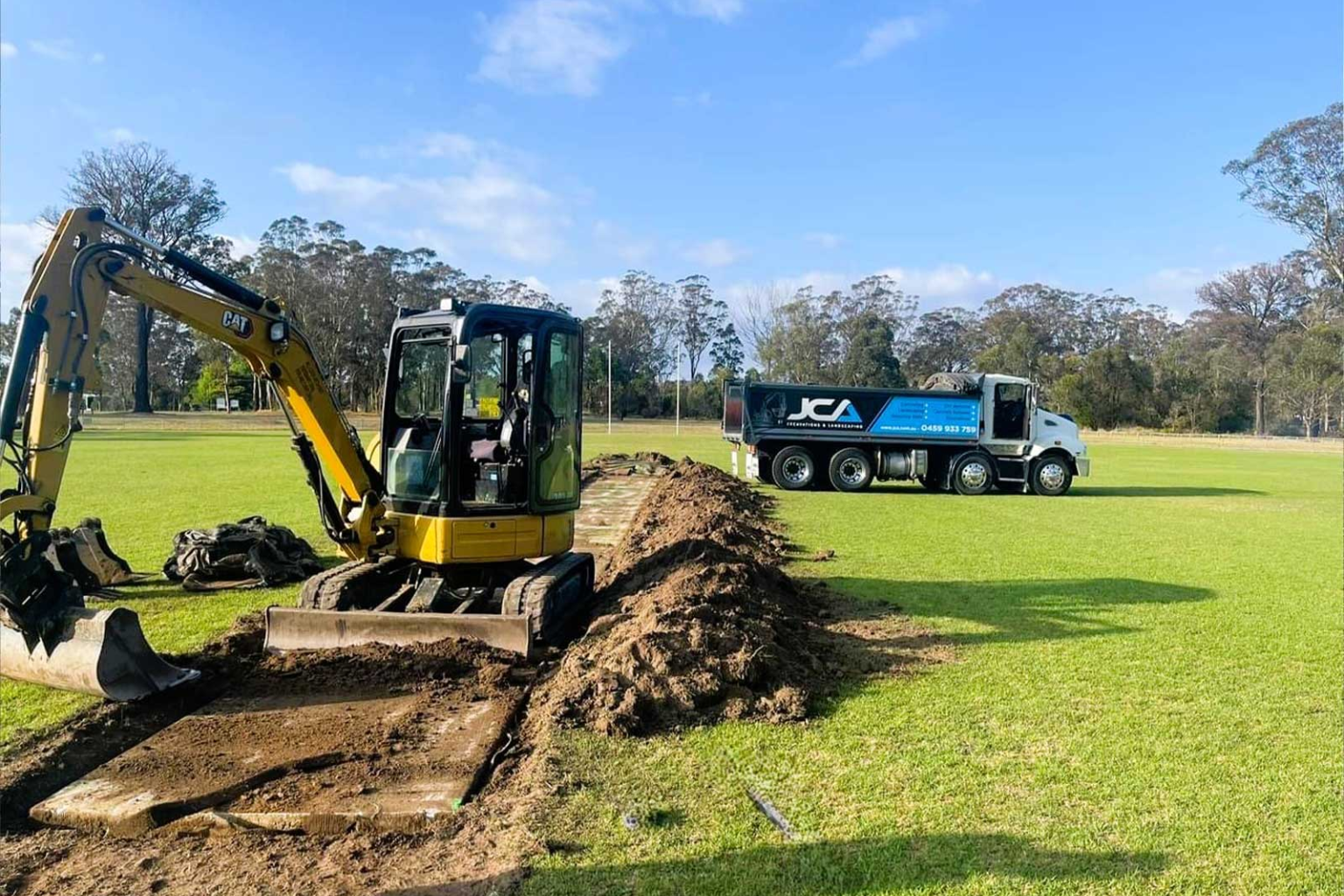
    Professional excavation services are the backbone of successful construction, development, and land management projects in Penrith. Whether you are preparing a residential block for building, clearing vegetation for bushfire safety, or undertaking large-scale civil works, the quality of your groundwork determines the success of everything that follows. Cutting corners at the foundation stage inevitably leads to complications and additional costs downstream.

    In this comprehensive guide, we examine the essential aspects of excavation, what to look for in a service provider, and how expert solutions deliver value at every stage of your project. To explore a full range of professional services tailored to your needs, visit Hillcrest Excavations Penrith Services and discover how experienced professionals can transform your project outcomes from start to finish.

    Why Professional Excavation Services Matter

    Excavation is far more complex than it appears on the surface. What seems like a straightforward task — removing earth, clearing land, or preparing a site — actually involves careful planning, specialised equipment, environmental considerations, and strict compliance with local, state, and federal regulations. Amateur or poorly executed work can lead to structural instability, environmental damage, costly delays, safety incidents, and legal complications that far exceed the cost of doing it right the first time.

    Professional excavation providers bring a combination of technical expertise, industry-grade equipment, and comprehensive regulatory knowledge that ensures your project is completed safely, efficiently, and to the highest standards. This expertise is particularly critical in Penrith, where local soil conditions, topography, drainage patterns, and council requirements demand specialised approaches that general contractors may not possess.

    Essential Qualities of a Reliable Service Provider

    • Experience and Track Record: Look for providers with a proven history of successful projects in your local area. Experience with local soil conditions, drainage patterns, geological features, and council requirements is invaluable and cannot be replicated by providers unfamiliar with the region.
    • Proper Licensing and Insurance: All excavation and earthworks providers in New South Wales must hold appropriate licences and carry comprehensive insurance including public liability and workers compensation. Verify these credentials before engaging any contractor.
    • Modern Equipment Fleet: Quality outcomes depend on having the right machinery for the job. A well-maintained fleet of excavators, loaders, trucks, and specialist attachments ensures efficiency, precision, and the ability to handle unexpected site conditions.
    • Environmental Compliance: Responsible providers understand and adhere to environmental protection regulations, including sediment and erosion control, tree protection orders, waterway management, and contaminated land requirements.
    • Clear Communication: Professional providers keep you informed throughout the project with regular updates, transparent pricing, detailed scope documentation, and proactive problem-solving when challenges arise.

    The Excavation Process: What to Expect

    Understanding the typical process helps you plan effectively and set realistic expectations for your project timeline, budget, and outcomes. Each phase builds upon the last, and thorough execution at every stage is essential for overall project success.

    1. Initial Site Assessment: A thorough evaluation of your site including soil testing, geotechnical investigation, survey review, utility identification through Dial Before You Dig, and assessment of access constraints and neighbouring property considerations.
    2. Council and Regulatory Approvals: Depending on the scope of work, development applications, construction certificates, environmental permits, or bushfire assessments may be required. Your provider should guide you through this process and manage submissions on your behalf.
    3. Site Setup and Safety: Establishing site fencing, safety signage, sediment and erosion controls, dust suppression measures, and designated safety zones before any physical work commences on site.
    4. Execution: The actual excavation, clearing, or earthworks phase, carried out according to engineered plans, specifications, and quality management procedures with regular inspections and progress reporting.
    5. Site Clean-Up and Handover: Removal of excess material, final grading and compaction, compaction testing and certification, restoration of disturbed areas, and comprehensive handover documentation for the next stage of your project.

    Key Considerations for Projects in Penrith

    Every location presents unique challenges, and the area in Penrith is no exception. Local factors such as soil composition, rock presence, water table depth, neighbouring properties, heritage considerations, environmental sensitivities, and access limitations all influence the approach required for successful excavation. Understanding these factors before work commences is essential for accurate budgeting and realistic scheduling.

    Local council regulations also vary significantly and can have substantial implications for project timelines and costs. From development application requirements to tree preservation orders, heritage overlays, and environmental impact assessments, understanding the regulatory landscape is essential for avoiding costly delays, compliance issues, and potential enforcement actions.

    Soil and Terrain Considerations

    The Sydney basin and surrounding areas feature a diverse range of soil types — from expansive clay and shale in western suburbs to sandstone formations in the Blue Mountains and northern regions, and sandy soils in coastal areas. Each soil type requires different excavation techniques, drainage solutions, retention strategies, and foundation preparation methods. An experienced local provider understands these nuances intimately and can adapt their approach accordingly, saving time and reducing risk.

    Safety Standards and Risk Management

    Safety is the non-negotiable foundation of any excavation project. The excavation and earthworks industry carries inherent risks including cave-ins, equipment accidents, underground service strikes, environmental incidents, and exposure to hazardous materials. Professional providers mitigate these risks through comprehensive safety management systems, regular training programmes, incident reporting protocols, and strict adherence to SafeWork NSW guidelines and the WHS Act.

    • Dial Before You Dig: All underground services including gas, electricity, water, telecommunications, and sewer must be identified and marked before excavation commences. This protects workers, prevents service disruptions, and avoids costly damage claims.
    • Trench Safety: Appropriate shoring, battering, or benching techniques must be used for all trenches and excavations deeper than 1.5 metres to prevent cave-ins and protect workers from entrapment.
    • Traffic Management: Projects near roads, footpaths, or public areas require traffic management plans prepared by qualified professionals to protect workers, pedestrians, and the general public.
    • Environmental Controls: Sediment fences, silt traps, dust suppression measures, and noise management strategies protect waterways, air quality, and neighbouring properties during works.

    Cost Factors and Getting Accurate Quotes

    The cost of excavation services varies significantly based on project scope, site conditions, access constraints, disposal requirements, permit fees, and the complexity of regulatory compliance. Obtaining accurate quotes requires providing detailed information about your project to potential providers, including survey plans, geotechnical reports, and council requirements.

    When comparing quotes, look beyond the headline price and examine the detail. Consider what is included — site setup, soil testing, disposal fees, compaction testing, environmental management, and clean-up can add significantly to the total cost if not included in the initial quote. A transparent provider will itemise all costs clearly and explain any potential variations or provisional sums upfront.

    Conclusion: Choose Experience, Choose Quality

    The success of your construction or development project in Penrith begins with the groundwork — quite literally. Professional excavation services ensure that your site is prepared correctly, safely, and in full compliance with all relevant regulations, setting a solid stage for everything that follows. Investing in quality groundwork is investing in the long-term success of your entire project.

    Do not underestimate the importance of choosing the right excavation partner. Look for experience, professionalism, proper licensing, comprehensive insurance, and a demonstrated commitment to safety and quality. The right provider does not just move earth — they move your project forward with confidence, precision, and the assurance that the job has been done right.

  • Why Pathways Are a Key Part of Practical Landscape Planning

    Why Pathways Are a Key Part of Practical Landscape Planning

    Outdoor spaces feel more intentional and easier to enjoy when movement through them feels natural. Pathways help shape that experience by providing structure, comfort, and direction without interrupting the beauty of the environment. Landscaping companies near me consistently emphasize pathways because they influence how a yard functions just as much as how it looks.

    Directing Foot Traffic to Protect Lawns and Garden Beds

    Grass and garden beds take on stress quickly when guests or family members regularly cut across them. Pathways give people a clear line to follow, keeping delicate areas safe from foot pressure that gradually thins turf or damages plant stems. Landscaping services near me often identify the routes people naturally take and create walkways that guide movement more intentionally. Wear patterns also show where pathways are truly needed. Lawn care companies near me frequently repair patches of compacted soil caused by repeated footsteps, which could be avoided with proper walkway placement. A well-designed path preserves the health of the space and reduces maintenance demands on sensitive lawn zones.

    Creating Safe, Slip-resistant Routes Through Outdoor Spaces

    Outdoor environments introduce tripping hazards, slick surfaces, and uneven ground. Pathways help eliminate many of those risks by providing a stable surface that people can trust in any weather. Materials such as textured pavers, gravel blends, or brushed concrete offer traction that natural ground can’t always provide.

    Safety becomes even more important during rainy seasons. Landscaping near me often incorporates drainage-friendly materials so walkways don’t pool water and become slippery. This adds peace of mind for families, visitors, and anyone moving through the yard.

    Connecting Outdoor Living Areas for Uninterrupted Flow

    Backyards with multiple zones—patios, gardens, seating areas, or fire pits—work best when everything feels connected. Pathways offer that sense of flow, guiding movement from one space to another without people feeling unsure of where to step. A landscape company may design curves or gentle transitions that match the yard’s style while making navigation feel natural.

    A connected layout improves how the outdoor space functions overall. Landscaping services near me frequently use pathways to unify features so no area feels isolated or overlooked. This gives every zone a purpose and creates a seamless experience.

    Defining Functional Zones Without Using Fences or Walls

    Not every space needs a solid divider. Sometimes a simple walkway is enough to signal where one activity ends and another begins. Pathways outline boundaries in a subtle, visually appealing way, making it easier to organize the yard without constructing barriers.

    This approach works well in yards that feel tight or compact. Landscaping companies near me often rely on pathways to separate utility spaces, recreation zones, and plant-heavy areas without making the yard feel boxed in. It’s a softer method of shaping structure that doesn’t interrupt the open feel of the landscape.

    Improving Accessibility for All Ages and Mobility Levels

    Walkways designed with smooth transitions and gentle slopes help everyone move comfortably through outdoor spaces. Families caring for aging relatives, young kids, or anyone with mobility challenges benefit from predictable walking surfaces. Pathway planning ensures that no key areas are difficult or risky to access.

    Surface selection and width play a major role in accessibility. Landscaping near me often recommends wider paths for shared use, especially for equipment like wheelbarrows, strollers, or mobility aids. This keeps outdoor spaces inclusive and functional long-term.

    Reducing Soil Compaction near Plant Roots and Delicate Areas

    Foot pressure compresses soil, reducing the oxygen and water movement that plants rely on. Pathways prevent this by rerouting footsteps away from fragile root systems. Garden beds, tree lines, and newly planted areas remain healthier when traffic is directed around them. Healthy soil supports stronger plant growth. Landscape companies near me often assess compaction issues before designing walkways to prevent damage from recurring. Over time, guided foot traffic helps maintain better root conditions and encourages more vibrant plant development.

    Guiding Water Runoff Away from Vulnerable Landscape Spots

    Pathway placement can work hand in hand with drainage strategies. Walkways can be angled slightly or constructed from permeable materials to help redirect runoff. This prevents water from gathering around foundations, garden beds, or erosion-sensitive spots. Properly planned walkways often act as subtle drainage channels. Landscaping services near me may pair pathways with French drains, swales, or graded slopes to ensure water moves where it should. This combined approach protects the landscape from excessive moisture and soil washout.

    Anchoring Design Elements to Unify the Overall Yard Layout

    Pathways visually tie together the elements of a yard, making the space feel cohesive. They highlight focal points such as patios, plant displays, water features, or shade structures. The lines created by path curves or edges help shape the viewer’s perspective and give the yard rhythm. This unifying effect is especially helpful in large or irregularly shaped yards. Landscape company designers use pathways to balance visual weight, guide attention, and organize the layout so no area feels disconnected. With the right pathway plan, the entire landscape feels intentional and thoughtfully arranged.

    Professionals who specialize in outdoor planning use pathways as both functional tools and design elements. Cora Landscape offers landscape installation, drainage solutions, and grading services that incorporate pathway planning to boost both usability and long-term yard health.