Access to clean drinking water is something most people expect without giving it much thought. We turn on a tap, fill a bottle, or use a dispenser, and assume the water is safe. In homes, offices, schools, gyms, shops, and public spaces, water stations make hydration convenient. But behind that simple experience is a system that needs attention to remain clean, efficient, and dependable.
A well-maintained water station does more than provide drinking water. It supports better hygiene, protects equipment, improves user confidence, and can reduce unnecessary waste. Whether you manage a busy workplace or operate a small community facility, understanding how these systems work and why maintenance matters can help prevent avoidable problems.
What Is a Water Fill-Up Station?
A water fill-up station is a dedicated point where people can refill reusable bottles, cups, or containers with drinking water. Some are connected directly to a building’s water supply, while others include filtration, cooling, purification, or touch-free dispensing features.
These stations are increasingly common because they encourage people to carry reusable bottles instead of purchasing single-use plastic bottles. They’re also practical in high-traffic locations, where people need quick access to drinking water throughout the day.
However, a station is only as reliable as its internal components and maintenance routine. Even a modern unit can develop problems if filters become overloaded, surfaces are neglected, or internal parts are not checked regularly.
Why Cleanliness Matters
Water may enter a station from a treated municipal supply, but that doesn’t mean every part of the dispensing system stays clean automatically. Nozzles, drip trays, touchpoints, bottle rests, and surrounding surfaces can collect dust, moisture, bacteria, and other contaminants over time.
High-use stations face an even greater challenge. Hundreds of people may touch the same buttons, place bottle openings near the dispenser, or spill water around the base. Without proper cleaning, these areas can become unpleasant and unhygienic.
Cleaning should include both visible and less obvious areas. External surfaces need regular disinfection, while drip trays should be emptied and washed to prevent stagnant water and microbial growth. Where the manufacturer allows it, internal components should also be inspected as part of a professional maintenance schedule.
The Role of Filtration
Many water stations use filters to improve taste, reduce odors, and remove selected impurities from the incoming water. Depending on the model, filtration may target sediment, chlorine, heavy metals, or other unwanted substances.
Filters do not last forever. Their lifespan depends on water quality, usage levels, filter capacity, and the manufacturer’s recommendations. A station used by a large office may require attention much sooner than one installed in a small home.
When a filter becomes saturated, water flow may slow down, taste may change, or the system may struggle to perform as intended. This is why filter changes should never be treated as an optional task. Replacing filters on schedule helps maintain water quality and protects the equipment from unnecessary strain.
It’s important to use the correct replacement filter. A cheaper or incompatible alternative may not fit properly, provide the expected level of filtration, or meet the system’s specifications. Keeping a record of installation dates makes it easier to know when the next replacement is due.
Why Regular Servicing Prevents Bigger Problems
Small issues often become expensive when they’re ignored. A minor leak, unusual noise, reduced water pressure, or inconsistent cooling may seem harmless at first. But these signs can point to worn seals, blocked lines, electrical faults, or failing components.
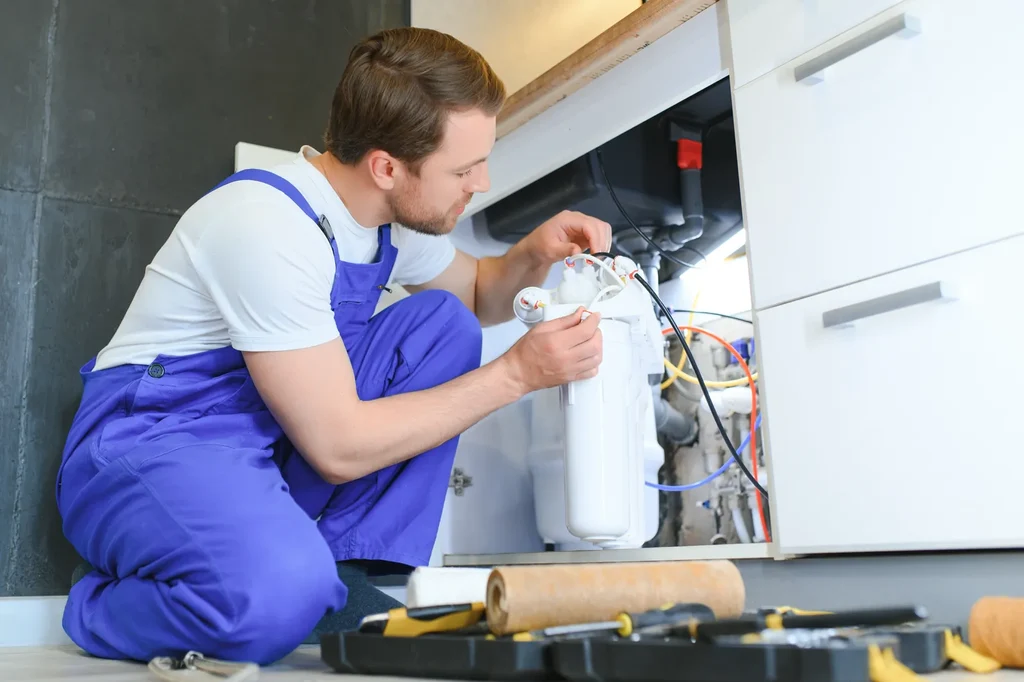
Professional regular servicing allows technicians to inspect the system before a small fault turns into a major breakdown. Depending on the type of station, servicing may include checking water connections, inspecting filters, testing dispensing controls, examining cooling components, cleaning internal areas, and confirming that the unit operates safely.
Routine servicing also helps identify problems that users may not notice. For example, a station might continue dispensing water even though its filtration performance has declined. A technician can assess the equipment more thoroughly than a quick visual inspection.
For businesses, preventive maintenance is especially useful because unexpected downtime can inconvenience employees, visitors, and customers. A station that stops working during a busy day may lead people to rely on bottled water or search for another hydration source.
Creating a Practical Maintenance Schedule
A good maintenance plan doesn’t have to be complicated. It simply needs to be consistent and suited to the station’s usage.
Daily checks can include wiping high-touch surfaces, inspecting the dispensing nozzle, emptying the drip tray, and looking for leaks. Staff should also report unusual tastes, odors, noises, or changes in water flow.
Weekly cleaning may involve a more detailed wash of removable trays, bottle supports, and surrounding areas. High-traffic locations may need this work more frequently.
Monthly inspections can focus on visible pipe connections, water pressure, drainage, and general equipment condition. Filter replacement and technical servicing should follow the manufacturer’s schedule, although heavy usage or poor incoming water quality may require more frequent attention.
A written checklist helps prevent maintenance tasks from being forgotten. It can include the date of cleaning, filter replacement, technician visits, reported issues, and any parts that were changed.
Common Warning Signs to Watch For
Several signs indicate that a water station may need cleaning, servicing, or repair. These include:
- Slow or reduced water flow
- Unusual taste or odor
- Cloudy water when the supply is normally clear
- Leaking around the base or connections
- Strange sounds during operation
- Water that is not cooling or heating correctly
- A dispenser that stops responding consistently
- Visible buildup around the nozzle or drip tray
Not every issue means the water is unsafe, but it should not be ignored. Stop using the unit if there is a serious concern about contamination, electrical safety, or damaged components. A qualified technician can determine whether the station needs cleaning, repair, or replacement.
Maintenance Is Also an Environmental Choice
Water refill stations can support sustainability by reducing dependence on disposable plastic bottles. But their environmental benefits are stronger when the equipment is maintained properly.
A neglected station may consume more energy, waste water through leaks, or require premature replacement. Keeping components clean and functional can extend the unit’s useful life and reduce the need for unnecessary repairs or disposal.
Organizations can also encourage responsible use by placing clear instructions near the station. Users should avoid touching the dispensing nozzle to bottle openings, clean reusable bottles regularly, and report leaks or unusual conditions.
Choosing Reliable Maintenance Support
When professional help is needed, choose a service provider familiar with the specific type of water station being used. Ask whether the company follows manufacturer recommendations, uses suitable replacement parts, documents completed work, and provides clear information about future maintenance needs.
It’s also worth considering response time. A provider that can offer scheduled inspections as well as emergency support may be useful for workplaces, schools, healthcare facilities, and other locations where access to drinking water is essential.
A Small Routine With a Real Impact
Clean, dependable drinking water doesn’t happen by accident. It depends on good equipment, responsible use, and a maintenance routine that people take seriously. Simple actions such as cleaning touchpoints, monitoring performance, replacing filters, and arranging professional inspections can make a noticeable difference.
A water station may look like a modest piece of equipment, but it serves an important daily purpose. With the right care, it can provide reliable hydration, reduce plastic waste, protect users, and continue working efficiently for years. The effort involved is relatively small, especially when compared with the inconvenience and cost of dealing with preventable problems later.