Plumbing problems rarely arrive at a convenient time. A water heater might stop working just before the morning rush, a kitchen drain could back up while you’re preparing dinner, or a hidden pipe leak may quietly damage a wall for weeks before anyone notices. Whatever the issue, having access to dependable plumbing support can make a stressful situation much easier to manage.
For homeowners and businesses, reliable plumbing is about more than fixing immediate problems. It means protecting property, maintaining water quality, improving equipment performance, and knowing who to call when something goes wrong. Local conditions, household needs, and the age of a building all influence which solutions make sense.
For people serving new mexico & west texas, understanding regional plumbing needs is particularly important. Water conditions, seasonal temperature changes, and the distance between communities can all affect maintenance requirements and service planning. With the right approach, property owners can address problems early and keep essential systems working as they should.
Understanding the Plumbing Needs of the Region
New Mexico and West Texas include a wide range of communities, from growing urban areas to smaller towns and rural properties. Although every property is different, water quality and availability are important considerations throughout much of the region.
In some locations, hard water is a common concern. Elevated levels of calcium and magnesium can leave white deposits on faucets, showerheads, and glassware. Over time, mineral scale may also accumulate in water heaters and other appliances, increasing maintenance needs and potentially affecting efficiency.
Water pressure is another factor worth monitoring. Low pressure can result from a partially closed valve, mineral buildup, a leak, or a problem with the municipal supply. High pressure can put unnecessary strain on plumbing connections and fixtures. If pressure changes suddenly or several fixtures are affected at once, a professional inspection can help identify the cause.
Weather matters, too. While many areas experience long, hot periods, winter cold snaps can still threaten exposed pipes. Insulating vulnerable plumbing, sealing drafts around pipe openings, and knowing where the main shutoff valve is located can help reduce the risk of damage.
Understanding these regional factors makes it easier to plan maintenance around the actual conditions a property faces rather than relying on a one-size-fits-all approach.
Why Timely Plumbing Repairs Matter
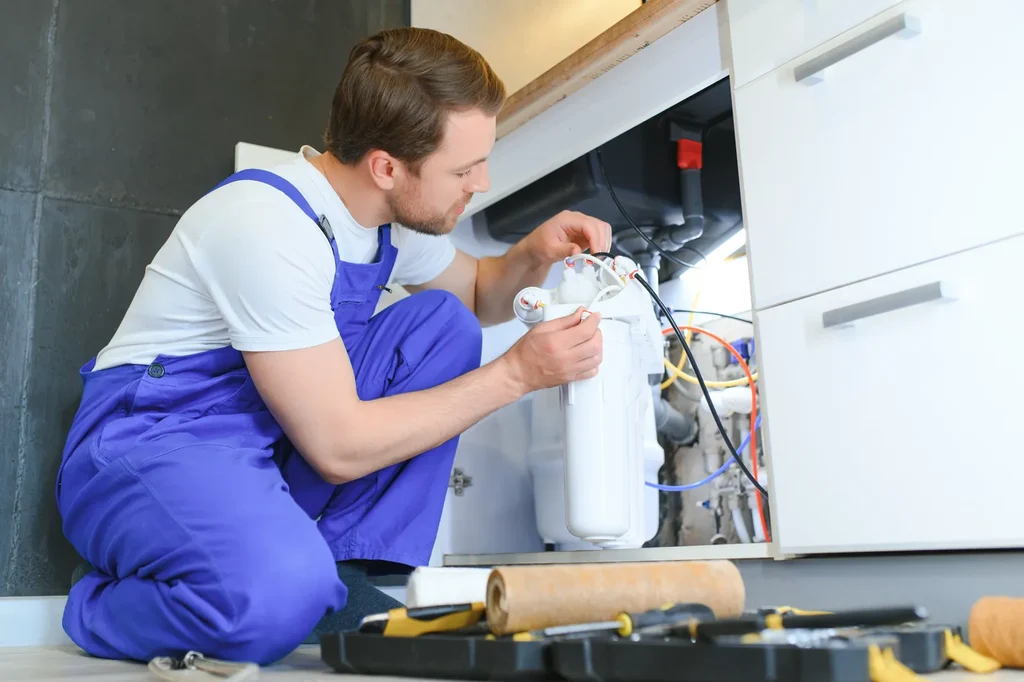
A dripping faucet may seem harmless, especially when the water disappears down the drain. However, small leaks can waste water over time and may indicate worn seals or deteriorating connections. Leaks beneath sinks are particularly easy to overlook because they’re often hidden behind stored cleaning products or household supplies.
Other warning signs include recurring drain blockages, damp spots on walls, unusual odors, and unexplained increases in water bills. These symptoms don’t always point to a major failure, but ignoring them can allow a manageable repair to become more complicated.
Drainage problems deserve special attention. Kitchen pipes can accumulate grease and food debris, while bathroom drains often collect hair and soap residue. If several drains become slow simultaneously, the issue may lie deeper in the drainage system.
Avoid repeatedly relying on harsh chemical cleaners to solve stubborn clogs. Depending on the product and pipe material, these chemicals may cause damage, and mixing cleaning products can create dangerous fumes. A qualified plumber can inspect the problem and determine whether mechanical clearing, camera inspection, or a targeted repair is needed.
If a pipe bursts, shut off the main water supply if it’s safe to do so. Keep away from electrical hazards and arrange professional assistance promptly. Acting quickly can limit damage to flooring, drywall, furniture, and other belongings.
Water Treatment for Better Everyday Living
Water quality affects many parts of daily life, from drinking and cooking to laundry and bathing. If your water leaves mineral deposits, tastes unusual, or develops a noticeable odor, testing is a sensible first step.
Hard water can often be managed with a suitable softening system. Filtration equipment may help reduce particular particles, compounds, or contaminants, depending on the technology used. Reverse osmosis systems are another option for certain drinking-water applications.
The important point is that these systems aren’t interchangeable. A softener primarily addresses hardness minerals, while a filter’s effectiveness depends on its design and certified performance. Testing helps establish which treatment, if any, is appropriate for your supply.
Before buying equipment, consider household size, daily water use, available installation space, and ongoing maintenance costs. Replacement filters, salt, servicing, and wastewater requirements can influence the total cost of ownership.
It’s also worth asking about installation requirements. Treatment equipment must be connected correctly, sized for expected demand, and installed where it can be accessed for maintenance. A well-chosen system should address a specific need without adding unnecessary complexity to your plumbing.
Water Heaters and Other Essential Equipment
Hot water is easy to take for granted until it suddenly disappears. When a water heater begins producing inconsistent temperatures, making unusual noises, or leaking around its base, the problem deserves attention.
Some issues can be repaired, while others may justify replacing the unit. The right choice depends on the equipment’s age, condition, repair history, and operating costs. A professional assessment can help you compare options before spending money on a replacement.
If you’re considering a new water heater, think about how much hot water your household uses at busy times. A home with multiple bathrooms may have different requirements from a smaller property. Traditional storage heaters and tankless models also have different installation needs and performance characteristics.
Don’t overlook other plumbing fixtures, either. Worn toilet components, leaking faucets, and damaged shutoff valves can waste water and make routine tasks frustrating. Replacing these parts promptly is often simpler than dealing with the damage caused by a long-neglected leak.
Finding the Right Service for Your Property
When plumbing trouble appears, knowing where to turn is half the battle. Before arranging a visit, make a note of the symptoms, when they began, and which fixtures are affected. If possible, identify the location of the problem and take photographs of visible damage.
This information can help a service professional understand the situation and prepare for the appointment. For urgent problems, explain whether water is actively leaking, drains are backing up, or essential services have stopped working.
If you need professional assistance, request service through the provider’s available contact channels and describe the issue as clearly as possible. Ask whether the situation requires an urgent response, what the initial diagnostic process involves, and whether a service or inspection fee applies.
A dependable plumbing company should communicate clearly about pricing, recommended repairs, and any additional work that may become necessary. Request a written estimate when appropriate, and don’t hesitate to ask questions if a proposed solution isn’t clear.
Licensing, insurance where required, relevant experience, and warranty information are also worth checking. The cheapest quote isn’t always the best value, especially when the work affects essential water or drainage systems.
Checking Coverage Before Scheduling Work
Service availability can vary by town, neighborhood, and the type of work required. Some companies cover a broad geographic area, while others focus on specific communities. Rural properties may also involve different travel arrangements or appointment windows.
Before booking, check our service areas to determine whether your property falls within the provider’s coverage. Confirming availability early can save time and help you understand when a technician may be able to visit.
It’s useful to ask whether the company handles your particular issue, too. Routine fixture repairs, water treatment, drain cleaning, water heater work, and urgent leak response may require different equipment or specialist experience.
For larger projects, such as replacing aging pipes or installing a treatment system, discuss the expected schedule and any preparation needed before work begins. Clear expectations help prevent surprises and make the process easier for everyone involved.
A Practical Approach to Long-Term Plumbing Care
Reliable plumbing starts with paying attention to the small things. Check exposed pipes occasionally, investigate unexplained moisture, keep drains clear of unsuitable waste, and follow the maintenance guidance for water heaters and treatment equipment.
It also helps to know where your main water shutoff is located and to keep important plumbing records in one place. These simple preparations can make a real difference when an unexpected problem occurs.
Whether you’re maintaining a family home, managing a rental property, or operating a business, thoughtful maintenance can protect your investment and reduce avoidable disruptions. With timely repairs, appropriate equipment, and a qualified professional when needed, you can keep your plumbing system working more reliably throughout the year.
The goal isn’t to eliminate every possible plumbing problem. It’s to recognize warning signs early, make informed decisions, and have a dependable plan when something needs attention.