Most homeowners don’t spend much time thinking about their water treatment system. If the shower runs, the dishes come out clean enough, and the drinking water tastes normal, the equipment quietly disappears into the background.
Then something changes.
The shower suddenly feels weaker. A glass of water tastes strange. White marks start appearing on the faucet again. At first, it’s tempting to ignore these little things. After all, the water is still running.
But small changes can be useful clues. They may point to an overdue filter, incorrect settings, changing source-water conditions, or a system that needs professional attention. The trick is knowing which signs matter and when a simple fix isn’t enough.
Start With Changes in Water Flow
Water pressure is one of the easiest things to notice.
If you suddenly experience low water pressure, don’t immediately assume your entire treatment system has failed. There are several possible causes.
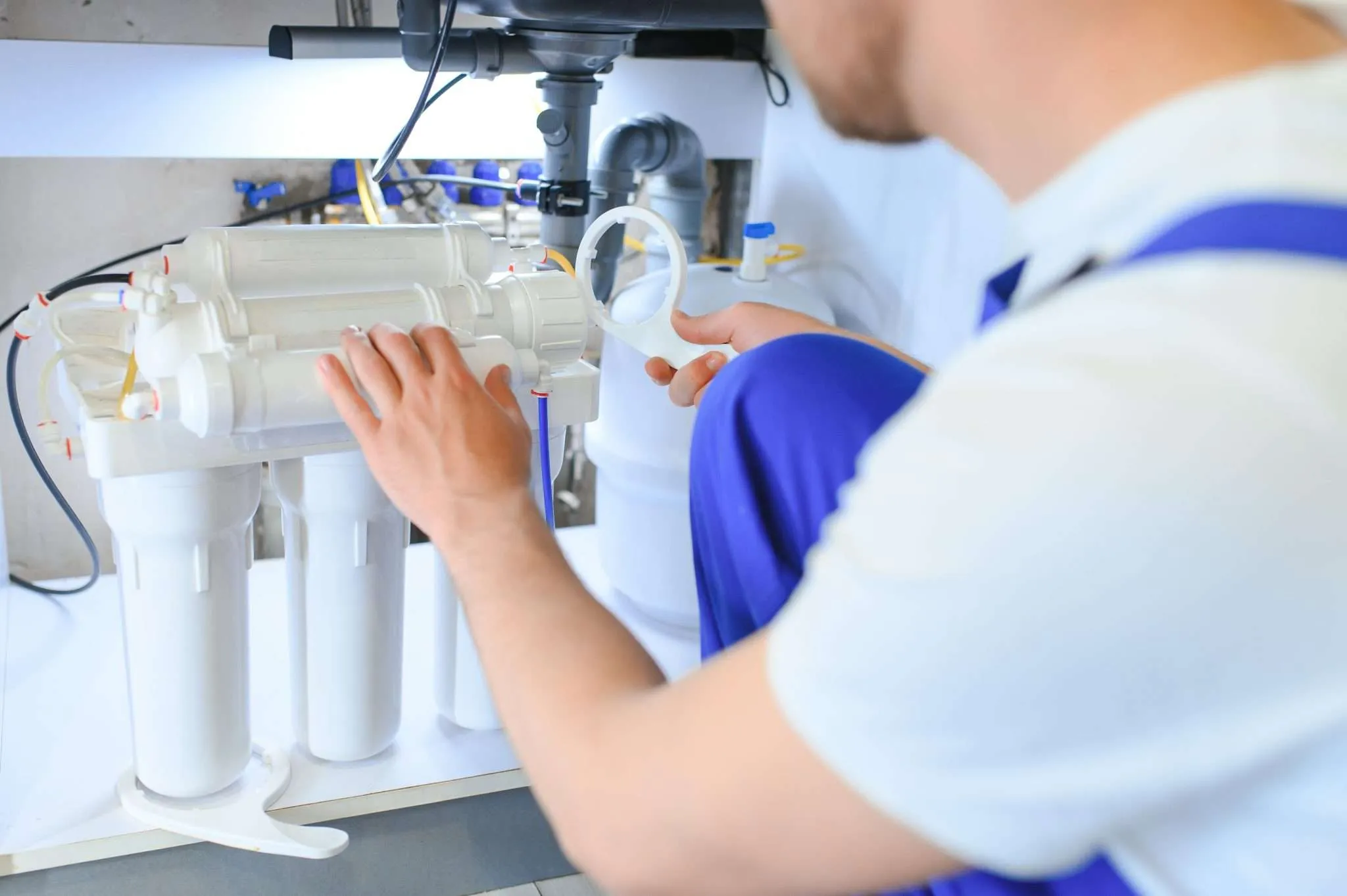
A clogged sediment filter can restrict flow as it collects dirt, sand, rust, or other particles. Filters naturally become less effective as they fill up, and the restriction may develop gradually enough that you don’t notice until the flow becomes frustrating.
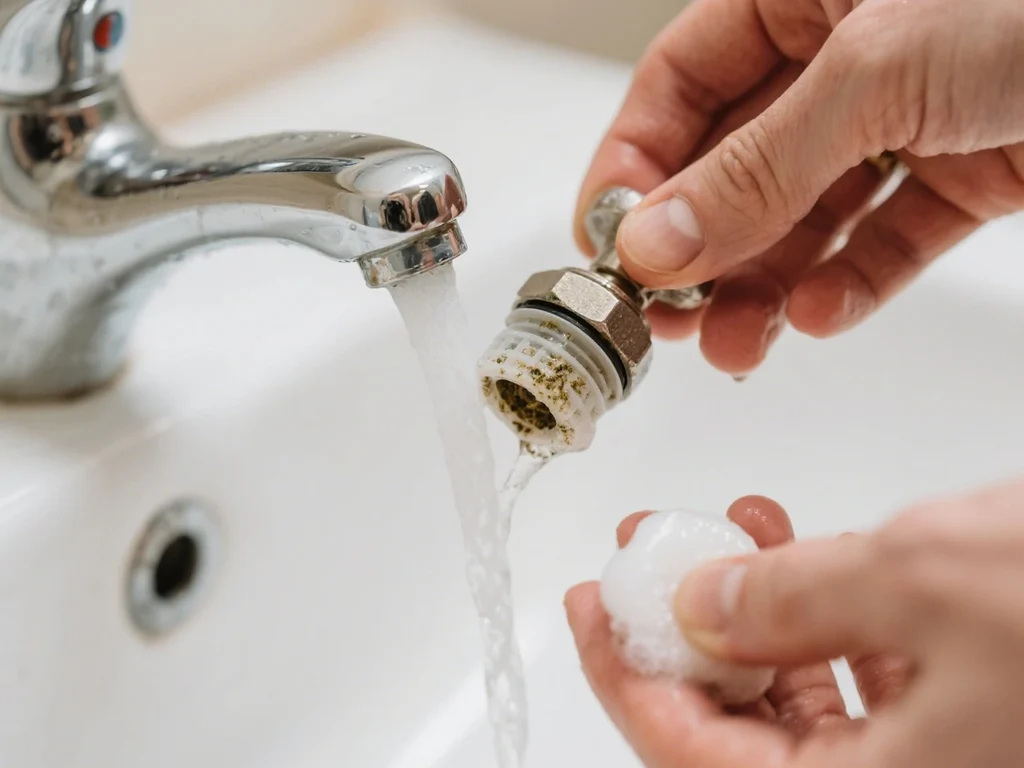
Check whether the pressure problem affects one faucet or the entire house. If it’s only one fixture, the aerator or fixture itself could be the problem. If several faucets are affected, look at the filtration equipment, plumbing, and incoming supply.
If the filter is overdue for replacement, changing it may solve the problem. If the pressure remains poor afterward, that’s a good reason to have the system inspected rather than repeatedly swapping parts.
When the Water Tastes Different
Taste is another early warning sign.
You may notice a metallic flavor, a chlorine-like taste, or simply something that seems “off.” Sometimes it’s temporary, but a persistent unusual taste or odor deserves attention.
For filtration systems, an overdue carbon filter is one possibility. Carbon media can lose effectiveness over time, particularly when household water contains higher levels of chlorine or organic compounds.
However, taste alone can’t tell you exactly what’s wrong. Changes can come from the source water, plumbing, storage tanks, or treatment equipment.
If the change is sudden or significant, consider testing the water rather than relying on your senses to identify the cause.
This is particularly important for private well owners, where groundwater conditions can shift due to rainfall, flooding, nearby land use, or other environmental changes.
White Spots Don’t Always Mean the Filter Failed
Few things are more annoying than cleaning a shower door only to see white marks return a few days later.
If you’re noticing hard water spots returning, your water softener may not be functioning as expected. But again, don’t jump straight to replacement.
Start by checking the basics. Does the system have enough salt? Is the control panel showing an error? Has the regeneration cycle been occurring normally?
Incorrect hardness settings can also affect performance. If the water source has changed or household usage has increased, the original settings may no longer be appropriate.
In some cases, the issue may involve the resin bed, control valve, or another internal component. That’s when professional service becomes worthwhile.
Check Your Filters Before Blaming the Whole System
Filters have one job: capture or reduce particular substances.
Eventually, they become loaded.
A sediment cartridge may become visibly dirty. A carbon filter can lose its ability to improve taste. Other specialty filters have their own service intervals.
If you don’t remember when your last replacement happened, check the installation date or manufacturer’s recommended schedule.
It’s easy to assume a filter is fine because water still flows through it. But flow doesn’t necessarily mean effective filtration.
Also, make sure replacement cartridges are the correct type. Using a generic filter simply because it fits the housing may not deliver the performance you expect.
Listen to What Your Water Softener Is Doing
Water softeners can provide years of reliable service, but they still need maintenance.
Listen for unusual sounds during regeneration. Watch for error codes or unexpected changes in salt consumption.
If the system regenerates far more frequently than usual, there may be an issue with settings, water usage, or the control mechanism. If it stops regenerating altogether, check the power supply and programming before assuming the worst.
A salt bridge can also prevent proper operation. The tank may look full while the salt has hardened into a layer that prevents the system from using it correctly.
Some problems are simple to resolve. Others require a technician. The important thing is to investigate rather than guessing.
RO Systems Have Their Own Warning Signs
Reverse osmosis systems often give subtle clues when something needs attention.
A drinking-water faucet that becomes unusually slow may indicate clogged pre-filters, pressure problems, or an aging membrane. A noticeable change in taste can suggest that one of the filtration stages needs replacement.
Don’t assume the expensive membrane is automatically the problem.
RO systems contain multiple components, and replacing everything at once can get costly. Check filter schedules, tank pressure, and the manufacturer’s troubleshooting recommendations first.
If the system is producing much less water than it used to, professional diagnosis can help identify the actual restriction.
Water Quality Can Change Even When Equipment Doesn’t
Sometimes the treatment system is working exactly as designed, but the incoming water has changed.
This can happen with private wells, seasonal conditions, plumbing changes, or shifts in municipal water characteristics.
If you’ve noticed several changes at once — taste, odor, staining, or pressure — testing the water can provide useful context.
A system that was correctly sized and programmed five years ago may not necessarily be perfectly matched to today’s conditions.
That doesn’t mean you need new equipment. It simply means the situation deserves another look.
Know When DIY Troubleshooting Should Stop
Checking salt, replacing a filter, reviewing settings, and looking for obvious leaks are reasonable household tasks.
Electrical repairs, persistent leaks, unexplained pressure loss, internal valve problems, and significant changes in water quality are different matters.
Trying to repair unfamiliar equipment without the right tools can turn a manageable problem into a costly one.
A qualified water-treatment technician can inspect the system, identify the likely cause, and tell you whether repair or replacement makes more sense.
Don’t Ignore the Small Clues
Your water rarely sends a dramatic warning before something needs attention. More often, it gives you small hints.
The shower isn’t quite as strong. The glass tastes different. The white spots are back.
None of these signs automatically means your equipment has failed. But they are worth noticing.
Pay attention to changes, keep track of filter replacements and maintenance, and test the water when something doesn’t seem right.
A little attention can prevent bigger headaches later. And when your treatment system is properly maintained, clean, dependable water can return to being what it should have been all along — something you use every day without having to think about it.