Clean water is one of those things most of us barely think about until something goes wrong. We turn on the tap, fill a glass, make coffee, wash vegetables, and get on with the day. It’s simple. Or at least it should be.
But behind that everyday convenience are filters, membranes, tanks, valves, pipes, and other components quietly doing their jobs. Like almost anything else in a home, water treatment equipment doesn’t stay in perfect condition forever. Filters become clogged, seals wear out, and systems that once worked beautifully can slowly become less effective.
That’s why paying attention to your home water system before there’s a major problem can save quite a bit of frustration — and sometimes money, too.
Start by Paying Attention to Changes in Your Water
You don’t need to be a water-treatment expert to notice when something feels different.
Maybe the water suddenly tastes slightly metallic. Perhaps there’s a strange smell when you fill a glass. You might see white mineral spots around faucets, notice reduced water pressure, or find that soap doesn’t lather as easily as it used to.
None of these signs automatically means your water is unsafe. Still, they’re worth investigating.
Hard water, for example, contains higher levels of minerals such as calcium and magnesium. Over time, those minerals can leave scale on fixtures and appliances. That crusty buildup around a showerhead isn’t exactly a home décor feature.
Routine checks can identify these problems early, especially if your home relies on a water softener or filtration equipment.
Don’t Wait Until the System Stops Working
One common mistake homeowners make is treating maintenance as something that only happens after a breakdown.
If a water softener begins making unusual noises or stops reducing hardness effectively, putting off water softener repairs or inspections may allow a relatively small issue to become a more expensive one. A worn valve, malfunctioning control head, blocked component, or exhausted resin bed can affect the system in different ways.
Regular inspection gives a technician an opportunity to look at the equipment before the problem becomes obvious.
It’s a bit like taking your car in for an oil change. You’re not doing it because the engine has already failed. You’re doing it because you’d rather not discover that failure while sitting on the side of the road.
Reverse Osmosis Systems Need Their Own Kind of Care
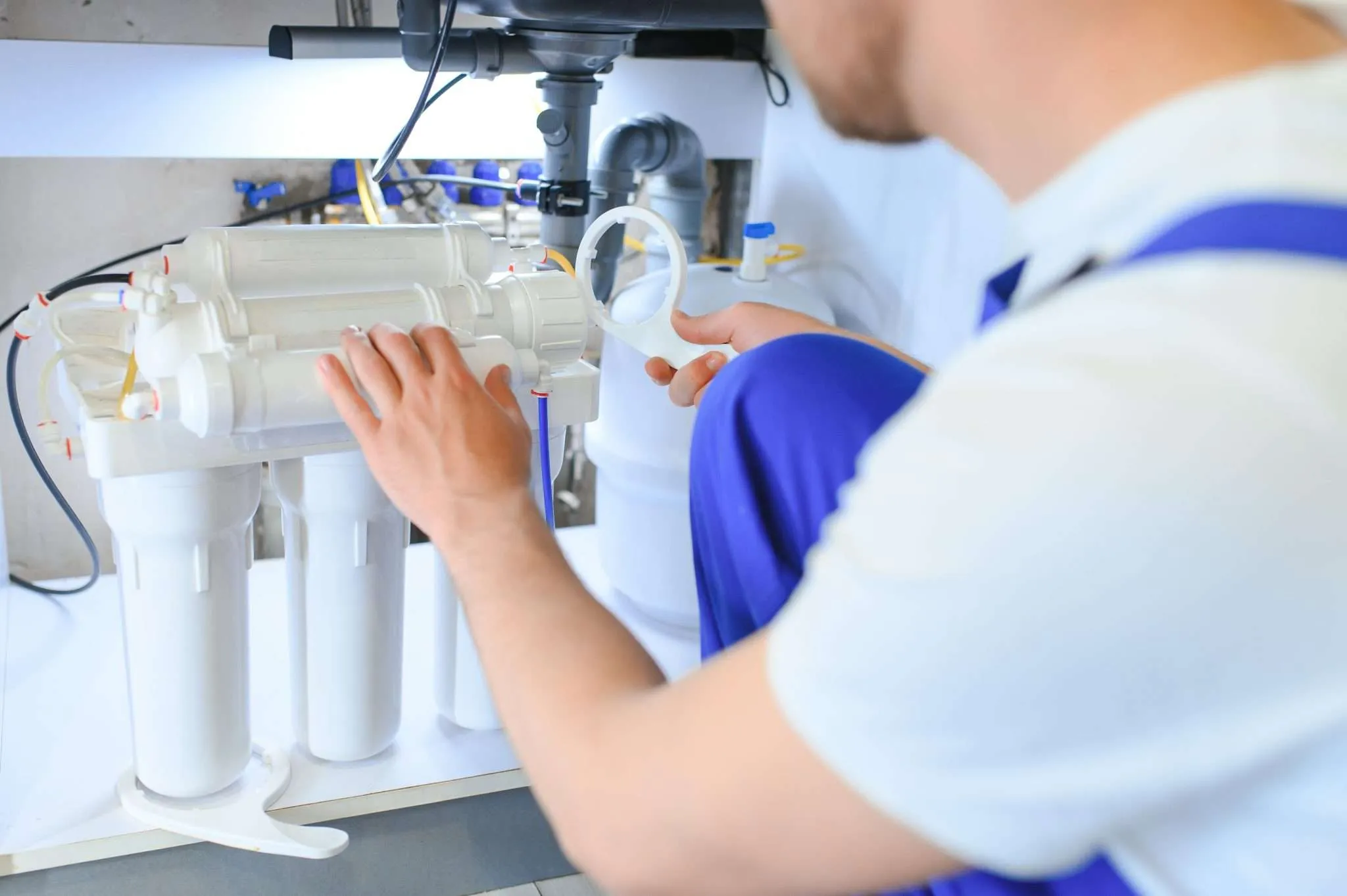
Reverse osmosis systems are popular for households that want additional treatment for drinking and cooking water. They can provide a convenient source of filtered water right at the kitchen sink, but they aren’t completely maintenance-free.
The filters typically need replacement at recommended intervals, while the reverse osmosis membrane also has a useful service life. Storage tanks, fittings, tubing, and other components should be checked as well.
Good reverse osmosis system maintenance isn’t simply about changing a filter whenever someone remembers. Timing matters. A neglected filter can become less effective and may also reduce water flow through the system.
There’s another practical point here: don’t judge a system solely by how the water tastes. Taste can change for many reasons, and a system may need attention even when everything seems fine.
Following the manufacturer’s maintenance recommendations and having the system checked when performance changes is a much safer approach.
Whole-House Filtration Is More Than a Kitchen-Sink Solution
A drinking-water filter can be useful, but it only treats water at the point where that filter is installed. A whole-house system takes a broader approach, treating incoming water before it reaches showers, bathrooms, laundry areas, and other fixtures.
That can be particularly helpful when homeowners are concerned about sediment, chlorine taste or odor, or other water-quality issues affecting the entire property.
Still, a whole-house filter isn’t a magic box that solves every possible water problem. Different filtration media are designed for different contaminants. The right system depends on what’s actually present in the water.
This is where testing becomes useful. Rather than buying the most expensive filter on the shelf because it sounds impressive, homeowners can make a more informed decision after understanding their specific water conditions.
And once a system is installed, whole house filtration service can help keep it operating as intended, including checking filters, connections, pressure, and other components that may require attention over time.
Maintenance Can Protect More Than Your Drinking Water
There’s another reason to take water treatment seriously: your plumbing and appliances feel the effects, too.
Mineral buildup can affect water heaters, faucets, shower fixtures, washing machines, and dishwashers. Over time, deposits can reduce efficiency or contribute to premature wear.
That doesn’t mean every household needs an elaborate treatment setup. In fact, adding equipment you don’t need can create unnecessary maintenance and expense.
The better strategy is to understand your water first, then choose treatment based on the actual problem.
For some homes, a softener may make sense. Another property might benefit from sediment filtration. Someone else may primarily want an under-sink reverse osmosis system for drinking water. There isn’t a universal answer, and that’s okay.
Know When to Call a Professional
Some basic maintenance tasks are perfectly reasonable for homeowners, particularly replacing easily accessible filters according to manufacturer instructions.
Other jobs are better left to someone who works with water treatment equipment regularly.
If you notice persistent pressure changes, leaks, unusual noises, poor water quality, or a system that repeatedly stops working, professional evaluation is worthwhile. A technician can often identify issues that aren’t obvious from the outside.
And if your system has been installed for years without a proper inspection, that alone may be a good reason to have it looked over.
Clean Water Starts With a Little Attention
Water treatment systems tend to be forgotten because, when they’re working properly, they’re almost invisible. That’s actually a compliment to the equipment.
But invisible doesn’t mean maintenance-free.
A few simple habits — replacing filters on schedule, watching for changes in water quality, checking equipment periodically, and addressing small problems early — can make a noticeable difference. It also helps homeowners avoid the unpleasant surprise of discovering a failed system when they need it most.
Ultimately, keeping household water clean isn’t about buying every treatment technology available. It’s about understanding what your home needs and giving the equipment you already have a fair chance to do its job.
A little attention today can prevent a much bigger headache tomorrow. And when it comes to something as important as the water your family uses every day, that’s probably a pretty good trade.