Water is part of nearly everything we do at home. We use it to prepare meals, wash clothes, clean kitchen surfaces, take showers, and keep our daily routines moving. Yet most people don’t pay much attention to the quality of their water until something feels off. A strange taste, cloudy appearance, stubborn scale, or unpleasant smell can quickly become a concern.
The thing is, water problems aren’t always obvious. Sometimes the water looks perfectly clear but still contains minerals or other substances that may need attention. Understanding your water supply is a good place to begin, especially if you’re thinking about making improvements that will last.
Start With a Better Understanding of Your Water
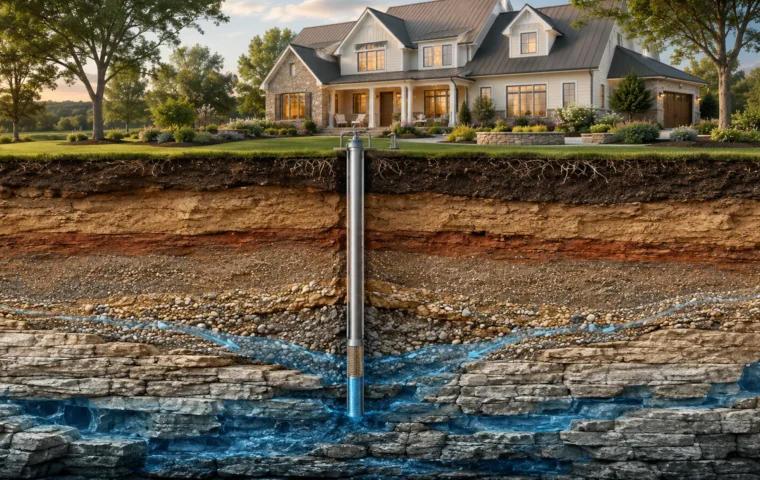
Every home has its own water quality story. Municipal water and private well water can have different characteristics, and even homes in the same neighborhood may experience slightly different issues because of plumbing, storage tanks, or local conditions.
Hard water is one of the most common complaints. It can leave white deposits on faucets, make glassware look spotted, and cause soap to lather less easily. Some households also deal with sediment, chlorine taste, iron staining, or occasional changes in odor.
Instead of guessing, consider arranging a free residential water test if one is available in your area. Testing can help identify hardness, pH, iron, and other water characteristics. Depending on your source and location, additional laboratory testing may be appropriate for specific contaminants.
Knowing what’s in your water makes the next decision easier. You don’t need to buy a complicated system simply because an advertisement promises better water. The right solution should address a real concern, not just sound impressive.
Why Drinking Water Filtration Matters
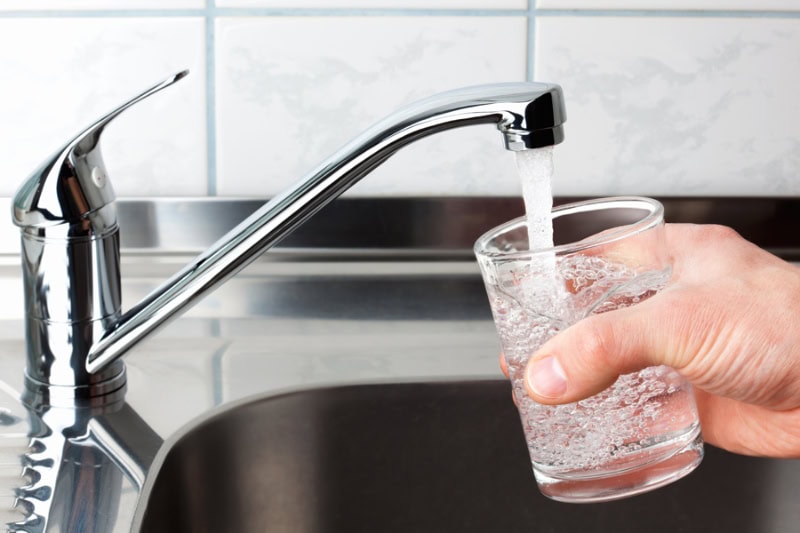
The water used for drinking and cooking deserves special attention. Many people want a cleaner taste, fewer unwanted substances, and a convenient source of filtered water without constantly buying bottled water. A dedicated drinking-water system can be a practical option, particularly for families that use the kitchen tap throughout the day.
Among the available technologies, reverse osmosis systems are popular because they use a semipermeable membrane to reduce various dissolved substances from water. Depending on the model and its certification, an RO system may help reduce certain salts, metals, and other contaminants.
However, not every RO unit performs the same way. Filter stages, membrane quality, water pressure, maintenance, and product certifications all matter. Before choosing one, check what the system is designed to reduce and whether those claims have been independently verified.
It’s also worth considering the amount of water produced, wastewater ratio, storage capacity, and replacement-filter costs. A good system should fit your household’s usage instead of becoming another appliance that gets forgotten after installation.
Treating Water Throughout the House
While drinking-water filters focus on a particular tap, water quality issues can affect the entire property. Hard water may create scale inside plumbing, water heaters, showerheads, and washing machines. Sediment can collect in fixtures, and certain odors may become noticeable when bathing or cleaning.
This is where whole home water treatment may be worth exploring. Whole-house systems are installed where water enters the property, allowing treatment before water reaches different fixtures and appliances. Depending on test results, the setup may include sediment filtration, activated carbon, a water softener, or other specialized equipment.
Not every home needs all these components. For example, a softener is designed to address hardness minerals, while a carbon filter may help improve taste and reduce certain chemicals. Selecting equipment based on actual water conditions is usually more effective than combining several systems without a clear reason.
The Importance of Installation and Maintenance
Even well-designed water treatment equipment needs proper installation and regular upkeep. Filters can become clogged, membranes may lose efficiency, and softeners require periodic servicing. If maintenance is neglected, performance can decline over time.
Homeowners should follow the manufacturer’s replacement schedule, keep track of service dates, and check for leaks or unusual changes in water flow. It’s a simple habit, but it can prevent unnecessary trouble later.
Professional guidance can also be helpful when choosing equipment. A knowledgeable water treatment specialist can explain test results, compare options, and help determine whether a point-of-use filter, whole-house system, or combination setup makes sense.
Making a Choice That Feels Right
Improving water quality doesn’t have to involve a major renovation or a long list of expensive appliances. Sometimes, a basic filter or softener is enough to solve an everyday problem. Other homes may need a more tailored approach, especially when water comes from a private well or has unusual characteristics.
The best starting point is always understanding your water. Test it, ask questions, and consider how your household actually uses it. From there, choose equipment that is practical, reliable, and easy to maintain.
Better water isn’t about chasing perfection. It’s about making small, sensible improvements that bring comfort to everyday life and help you feel more confident about the water flowing through your home.