For the longest time, I thought water quality basically boiled down to one question — is it hard or is it soft. That was the whole framework in my head. Turns out that’s like judging a book by counting how many pages it has. There’s a lot more going on, and I found that out the hard way when a plumber pointed at a section of copper pipe under my sink and said, “yeah, this pitting is probably from your pH, not hardness.”
I just kind of nodded along, pretending I understood, then went home and actually looked it up. Which, honestly, is how most of my water education has happened over the past couple years — I nod politely at someone who knows more than me, then quietly go figure out what they actually meant afterward.
The Measurement I Didn’t Know I Needed
So here’s what I learned. Ph balance in water refers to how acidic or alkaline it is, measured on that familiar zero-to-fourteen scale most of us vaguely remember from grade school chemistry and then never thought about again. Seven’s neutral, lower numbers mean more acidic, higher numbers mean more alkaline. Water that’s off in either direction can cause real problems, just quieter ones than hardness usually does.
Mine, it turned out, was leaning slightly acidic, which explained the pitting the plumber mentioned. Acidic water can slowly corrode metal pipes and fixtures over time, which sounds dramatic, but it’s a gradual thing, easy to miss until a professional actually points it out to you mid-repair. I’d never even considered pH as something worth checking, mostly because nobody had ever explained why it mattered outside of a chemistry classroom.
Realizing One-Size-Fits-All Doesn’t Really Work Here
This is where things got a little more interesting, honestly. I’d assumed, going into all this, that fixing water problems meant picking one system off a shelf and calling it done. Buy the softener, install it, move on with life. But that’s really not how it works once you understand that different households are dealing with completely different combinations of issues — hardness here, pH there, chlorine smell somewhere else, maybe sediment on top of all of it.
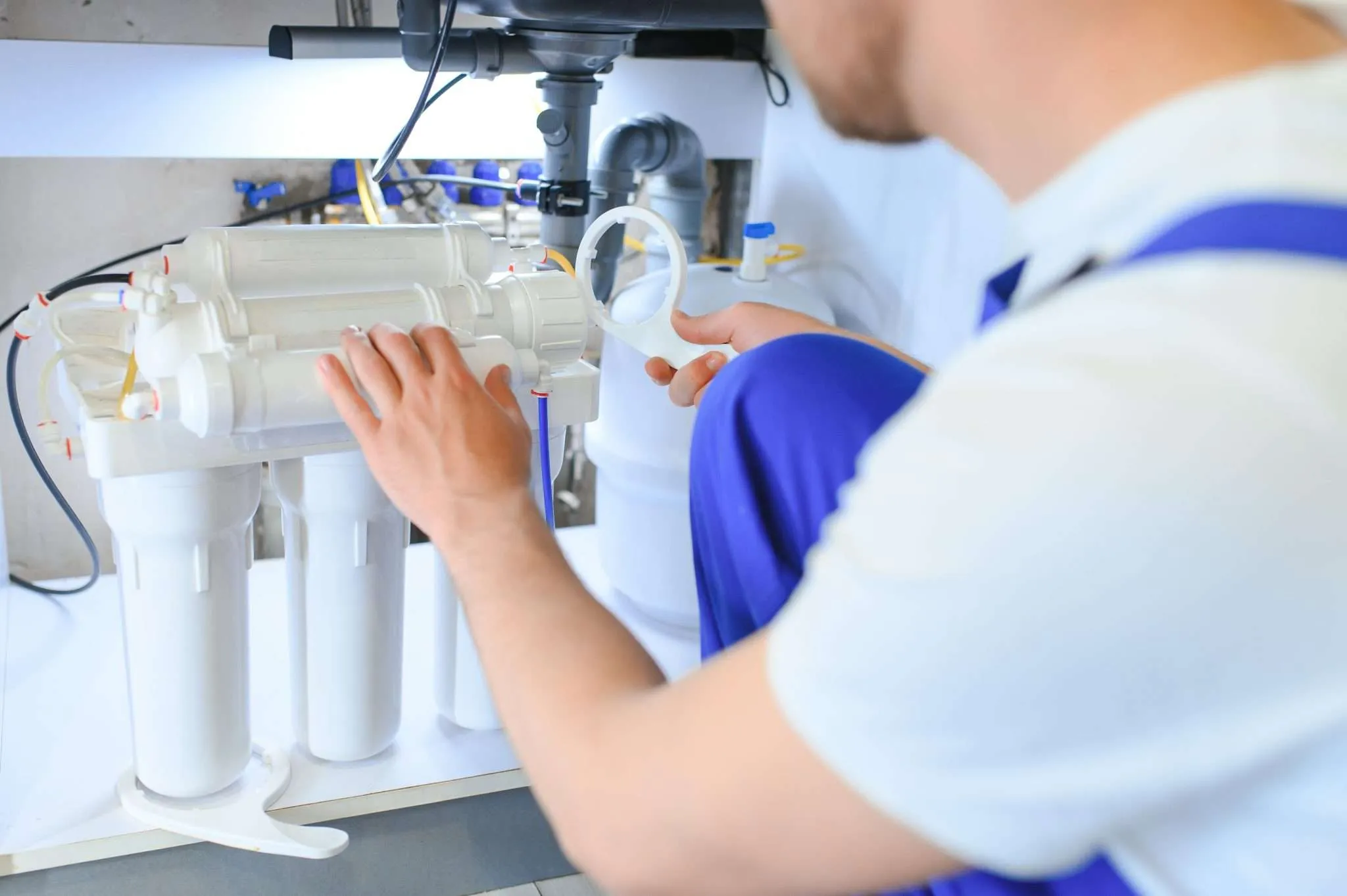
That’s really the whole idea behind proper custom water solutions — treating your actual water profile instead of applying some generic, one-size-fits-all fix that might handle one problem while completely ignoring another. My setup ended up needing a combination approach — a softener for the hardness, plus a small pH-correcting component for the acidity issue causing the pipe corrosion. Neither one alone would’ve solved the whole picture, which I wouldn’t have known without someone actually looking at my specific results first.
Why the “Who” Matters as Much as the “What”
I’ll admit, I went into this whole process a little skeptical about whether hiring someone was even necessary. Part of me figured I could just research online, buy whatever seemed reasonable, and install it myself. And look, for some simpler setups that’s probably fine. But once pH correction got added to the mix, the margin for error felt a lot smaller than “toss a filter under the sink and hope for the best.”
Having someone knowledgeable actually calibrate the system properly made a real difference in getting genuinely professional results instead of a half-working setup I’d have to troubleshoot myself later. The pH corrector needed specific calibration based on my exact water numbers — get that wrong and you either under-correct and the pipe issue continues, or over-correct and create a whole different imbalance. Not something I felt confident winging on my own, honestly.
Looking at My Pipes Differently Now
It’s a strange thing, developing an actual relationship with something as unglamorous as your home’s water chemistry. I never expected to be someone who cared about pH levels, corrosion patterns, mineral content — none of it. But once you see the physical evidence, pitted copper pipe sitting right there in front of you, it stops being abstract pretty quickly.
If you’ve got older pipes, or you’ve noticed weird staining, or a plumber’s ever mentioned something about corrosion in passing the way mine did, it might be worth actually looking into your water’s chemistry beyond just the hardness question. There’s more going on beneath the surface than most of us realize, and sometimes the fix is smaller and more specific than you’d expect, once someone actually takes the time to look at the whole picture instead of just one piece of it.