A glass of tap water might look perfectly clear, yet its taste can tell a different story. Perhaps there’s a slight chemical flavor, an unpleasant aftertaste, or an odor that makes you reach for bottled water instead.
For many homeowners, these experiences raise an important question: is a basic water filter enough?
Modern water treatment technology has expanded considerably, offering solutions for everything from unpleasant tastes to specific dissolved contaminants. However, with so many products available, understanding their differences can be challenging.
Choosing the right equipment begins with knowing what each technology does, where it performs best, and whether it suits your household’s water quality concerns.
Improving Water Taste With Advanced Carbon Technology
Activated carbon has long been used in water treatment because of its ability to adsorb certain unwanted substances. However, carbon filtration technology isn’t limited to a single type of filter.
Modern carbon & catalytic carbon filtration provides different approaches to reducing chlorine, chloramine, certain organic compounds, and unpleasant tastes or odors, depending on the equipment’s design and verified capabilities.
Traditional activated carbon contains a highly porous structure that provides an extensive surface area for adsorption. As water passes through the filter, certain substances interact with the carbon surface.
Catalytic carbon has enhanced surface properties that can make it more effective for certain treatment applications, including chloramine reduction.
Consider a household where tap water has an unpleasant chemical taste that affects everything from drinking water to freshly brewed tea. Selecting the appropriate carbon technology could make these everyday experiences more enjoyable.
Nevertheless, carbon filters have limitations. They don’t generally remove dissolved hardness minerals or reliably address all harmful microorganisms.
Proper equipment selection, sufficient contact time, and scheduled filter replacement are essential for maintaining effective treatment.
Understanding the Benefits of Membrane-Based Water Treatment
Some water quality concerns involve dissolved substances that conventional filtration equipment cannot adequately address. This is where membrane-based treatment becomes particularly useful.
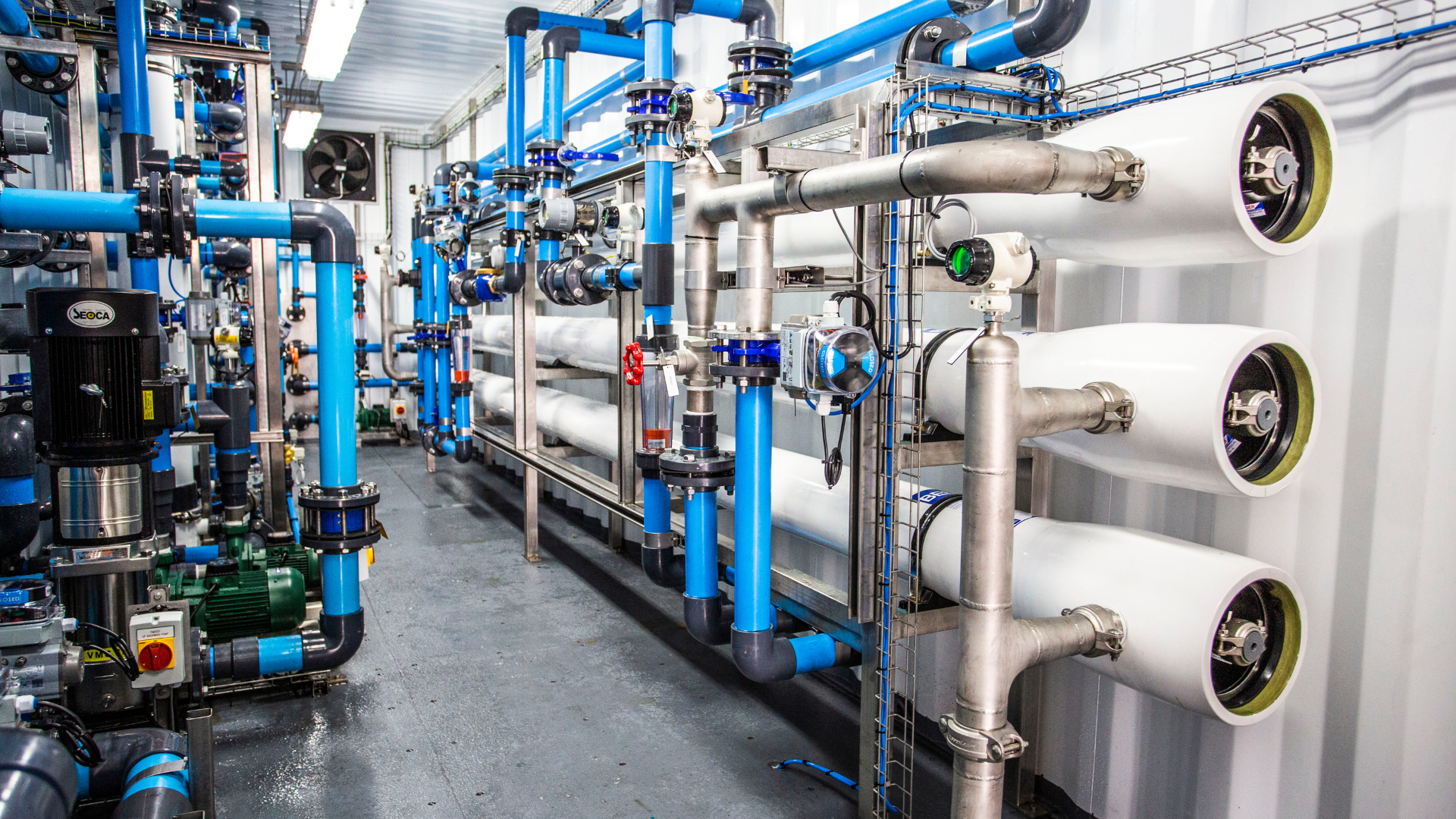
Advanced reverse osmosis (ro) / nanofiltration technologies use pressure and specialized membranes to separate water from various dissolved substances.
Reverse osmosis systems can reduce many dissolved salts, metals, and other contaminants when appropriately designed and maintained. Nanofiltration generally allows more dissolved substances to pass through while effectively targeting certain larger molecules and multivalent ions, including some hardness minerals.
Although these technologies share similarities, their treatment capabilities aren’t identical.
A homeowner concerned about particular dissolved contaminants might require reverse osmosis, while another property could benefit from nanofiltration for selected hardness-related applications.
Operating pressure, membrane characteristics, water chemistry, and equipment maintenance all influence performance.
Both technologies also produce a concentrated reject water stream, making water efficiency an important consideration.
Before investing in membrane-based equipment, arrange appropriate water testing and compare independently verified contaminant reduction capabilities.
The objective is to choose technology that addresses your concerns without introducing unnecessary operating expenses.
Creating a Treatment System That Matches Everyday Household Needs
Every home has its own rhythm. Some families use considerable amounts of water for laundry, cooking, and bathing, while smaller households may have relatively modest requirements.
Well-designed water treatment systems for households take these differences into account alongside incoming water quality, plumbing arrangements, available space, and maintenance preferences.
Imagine a property experiencing excessive hardness throughout the home but where unpleasant drinking water taste is mainly a concern in the kitchen.
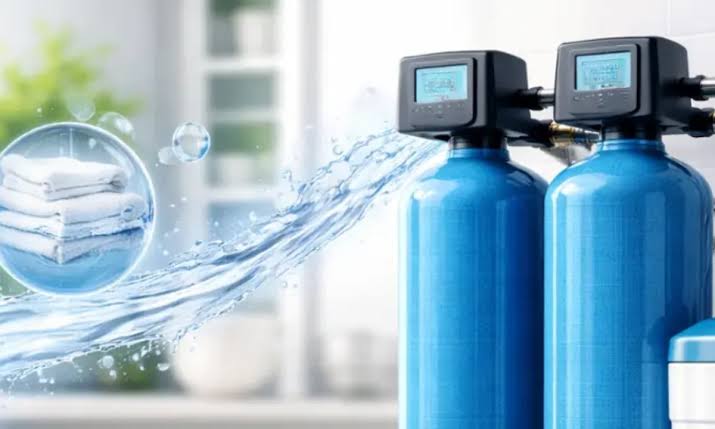
A centralized softener combined with a dedicated drinking water filtration unit might offer a practical solution.
Another household might benefit from carbon treatment at the property’s main water entry point, particularly if chlorine-related odors affect several fixtures.
Customization doesn’t necessarily mean installing more equipment. It means selecting components that serve a meaningful purpose.
Professional guidance can help homeowners understand which treatment stages complement one another and which may be unnecessary.
A thoughtfully designed system should fit naturally into everyday life without becoming a constant maintenance responsibility.
Why Water Testing Is More Valuable Than Guesswork
Buying filtration equipment based solely on taste or appearance can lead to disappointing results.
Cloudy water might indicate suspended particles, but it could also result from trapped air. Similarly, unpleasant odors can originate from several different water quality or plumbing conditions.
Some potentially harmful contaminants produce no noticeable taste, smell, or discoloration at all.
Appropriate laboratory testing provides a clearer picture of your water supply and helps identify specific treatment requirements.
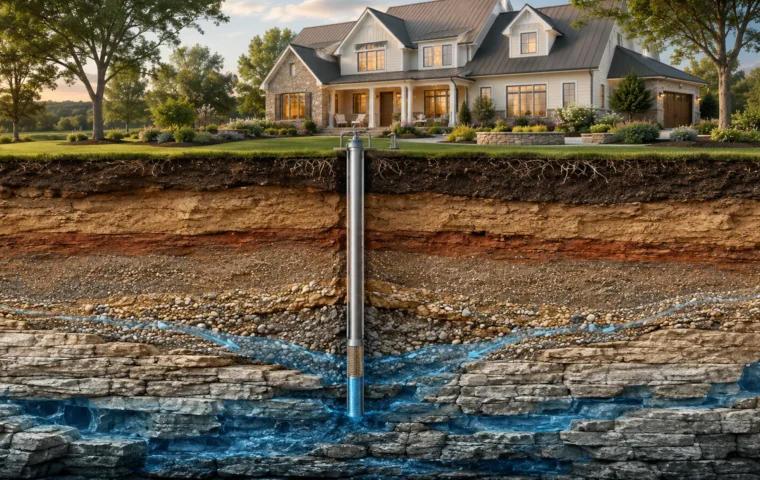
Households using private wells should pay particular attention to microbial and chemical testing. Municipal water customers can review utility water quality reports and investigate property-specific concerns when necessary.
Once the results are available, comparing filtration technologies becomes much more straightforward.
You’ll have a better understanding of which contaminants need addressing and which equipment offers relevant treatment capabilities.
Balancing Treatment Performance With Operating Expenses
A filtration system’s purchase price is only one part of its overall cost.
Replacement cartridges, membrane servicing, electricity consumption, and wastewater generation can influence long-term expenses.
For example, an inexpensive filter that requires frequent replacement might eventually cost more than equipment with a higher initial price and greater treatment capacity.
Efficiency matters, particularly for households interested in reducing unnecessary resource consumption.
When comparing systems, ask about expected maintenance intervals, replacement component availability, water recovery rates where applicable, and warranty coverage.
These practical details can help you make a financially sensible decision rather than focusing exclusively on advertised features.
Maintaining Advanced Water Treatment Equipment
Even sophisticated treatment technology requires regular attention.
Carbon filters eventually reach their adsorption capacity, while membranes can experience fouling or mineral accumulation under certain operating conditions.
Following manufacturer servicing recommendations helps preserve treatment effectiveness and equipment performance.
Keep track of replacement dates and arrange periodic water testing where appropriate, especially when treatment addresses potentially harmful contaminants.
Unexpected changes in water pressure or taste deserve investigation, but remember that declining treatment effectiveness isn’t always immediately noticeable.
Making Every Drop Count Through Smarter Water Treatment
Better water quality begins with understanding what your household genuinely needs.
Whether you’re looking to improve drinking water taste, reduce specific dissolved contaminants, or establish a more comprehensive treatment arrangement, selecting suitable technology makes all the difference.
Combine accurate testing with professional installation and responsible maintenance to get lasting value from your investment.
After all, the best water treatment system isn’t necessarily the most advanced or expensive one. It’s the one that addresses your concerns effectively, fits your lifestyle, and delivers dependable performance throughout the years ahead.