Keeping a home comfortable sounds simple enough until the weather starts swinging from one extreme to another. One month, the heating system is working overtime. A few months later, the air conditioner seems to run all day just to keep the indoor temperature bearable. Meanwhile, energy bills keep climbing.
The good news is that comfort and efficiency don’t have to be enemies. With the right equipment, sensible maintenance, and a few improvements around the property, homeowners can create a comfortable indoor environment while using less energy. In many cases, the biggest savings don’t come from turning the thermostat down or up dramatically. They come from making the entire heating and cooling system work smarter.
Why Heating and Cooling Efficiency Matters
Heating and cooling account for a significant portion of household energy consumption. Older furnaces, inefficient air conditioners, poorly insulated homes, and outdated thermostats can all contribute to unnecessary energy use.
There’s also a comfort issue. An inefficient system may leave some rooms too warm while others remain chilly. You might hear the equipment running constantly, yet the house never quite feels right. That’s usually a sign that something needs attention.
Choosing an energy-efficient way to heat and cool a property can make a noticeable difference over time. Modern HVAC equipment is designed to deliver more usable heating or cooling while consuming less electricity or fuel. That means better comfort without asking your utility meter to work quite so hard.
Start With the Building, Not Just the HVAC System
It’s tempting to assume that buying a newer air conditioner or furnace automatically solves efficiency problems. It doesn’t always.
Think about your home as a complete system. If warm air escapes through poorly sealed windows, doors, attics, or ductwork, even an excellent HVAC unit has to work harder to maintain the desired temperature.
Insulation is particularly important. A properly insulated attic can help keep heated air inside during winter and reduce unwanted heat entering the home during summer. Weatherstripping around doors and windows can also stop small leaks that add up over the course of a season.
Ductwork deserves attention, too. Leaky or poorly insulated ducts can waste conditioned air before it ever reaches a living space. In some houses, improving the duct system can be just as worthwhile as upgrading the HVAC equipment itself.
Choosing the Right HVAC Equipment
Not every heating or cooling system is suitable for every building. Size matters, and bigger isn’t automatically better.
An oversized air conditioner may cool a room quickly but cycle on and off too frequently. That can affect comfort, humidity control, and equipment longevity. An undersized system, on the other hand, may struggle continuously during extreme weather.
A professional HVAC assessment can help determine the appropriate system size based on factors such as square footage, insulation, windows, building orientation, and local weather conditions.
For homeowners considering a replacement, high-efficiency heat pumps, modern central air conditioners, variable-speed systems, and efficient furnaces are worth discussing with a qualified professional. The best choice depends on the property’s design and the homeowner’s budget.
Understanding Local Weather Conditions
Climate plays a major role in HVAC performance. A system that works beautifully in a mild coastal region may face a completely different workload in a place with hot summers, cold winters, or dramatic temperature changes.
This is especially relevant when planning HVAC upgrades for Oklahoma’s climate, where seasonal conditions can put considerable demands on both heating and cooling equipment. Summers can bring intense heat, while winter weather can occasionally become surprisingly cold. A dependable system needs to handle both sides of that equation.
Rather than choosing equipment based only on its advertised efficiency rating, homeowners should consider how well the system matches local conditions. Professional installation matters here because even excellent equipment can perform poorly when it’s incorrectly sized or installed.
Don’t Ignore Routine Maintenance
HVAC maintenance isn’t the most exciting item on a homeowner’s to-do list, but it can prevent plenty of headaches.
Air filters should be checked regularly and replaced or cleaned according to the manufacturer’s recommendations. A clogged filter restricts airflow, forcing the system to work harder. It can also affect indoor air quality and place additional stress on components.
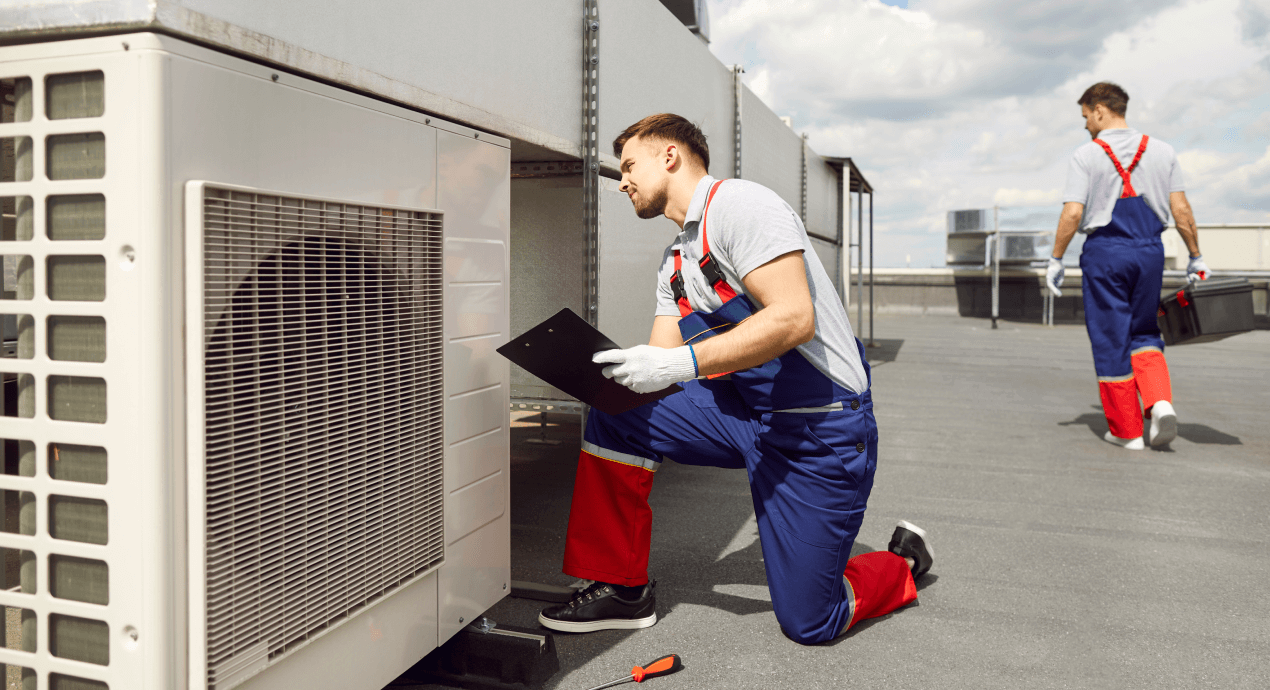
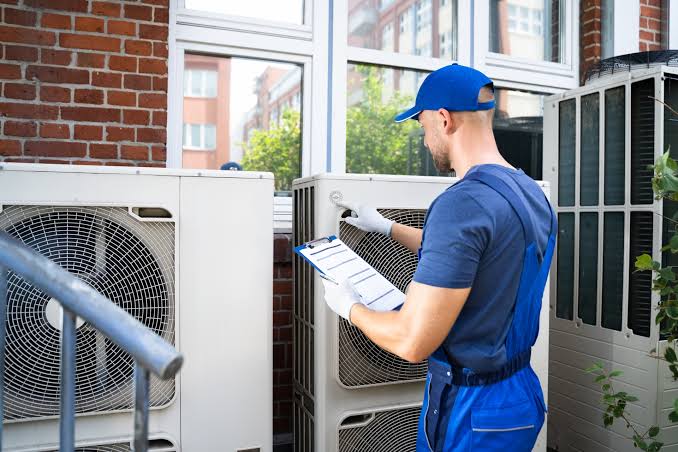
Seasonal professional inspections are useful as well. A technician can inspect electrical connections, refrigerant levels, moving parts, burners, ductwork, drainage, and other components that aren’t easy for most homeowners to evaluate themselves.
Small problems are generally easier and less expensive to address when they’re caught early. That strange noise you’ve been ignoring? It may be nothing. But it’s better to find out before the system stops working on the hottest day of the year.
Smart Thermostats Can Help
A programmable or smart thermostat can make temperature management much easier. Instead of heating or cooling an empty house at the same level all day, homeowners can create schedules around their routines.
For example, the thermostat can be adjusted when everyone leaves for work or school and programmed to restore a comfortable temperature shortly before people return.
Smart thermostats may also provide useful information about energy use and temperature patterns. That data can reveal habits that are quietly increasing consumption.
Still, technology isn’t magic. A smart thermostat won’t compensate for poor insulation, an incorrectly sized HVAC system, or major duct leaks. It’s one piece of a larger efficiency strategy.
Efficiency for Homes and Businesses
Energy management isn’t limited to houses. Offices, retail spaces, warehouses, restaurants, and other buildings also depend heavily on reliable temperature control.
For residential and commercial properties, HVAC efficiency can influence operating costs, employee comfort, customer experience, and equipment reliability. Commercial buildings often have more complicated heating and cooling requirements, particularly when different rooms have different occupancy levels or operating schedules.
Zoning systems can be useful in these situations. Instead of treating an entire building as one large space, zoning allows temperatures to be managed more selectively. A conference room that sits empty most of the day doesn’t necessarily need the same level of conditioning as a busy workspace.
Don’t Overlook Indoor Air Quality
Heating and cooling are closely connected with indoor air quality. Filters, ventilation, humidity levels, and duct cleanliness can all affect how comfortable a building feels.
Excess humidity can make warm temperatures feel even hotter, while extremely dry indoor air can be uncomfortable during colder months. Good ventilation and appropriate humidity control can make a noticeable difference.
Regular filter replacement is one of the simplest steps homeowners can take. For people with particular indoor air concerns, a professional can recommend additional filtration or ventilation options based on the building and its occupants.
Small Changes Can Add Up
Not every efficiency improvement requires a major renovation. Closing blinds during intense summer sunshine, using ceiling fans appropriately, sealing obvious drafts, keeping outdoor HVAC units clear of debris, and avoiding unnecessary thermostat adjustments can all help.
The key is consistency. One small improvement may not dramatically change a monthly bill, but several sensible changes working together can have a much greater effect.
It’s also worth remembering that energy efficiency isn’t only about saving money. Efficient equipment can reduce unnecessary energy consumption, improve comfort, operate more quietly, and potentially reduce the frequency of repairs.
A More Comfortable Future
Heating and cooling shouldn’t be a constant battle between comfort and cost. The better approach is to look at the property as a whole: insulation, air sealing, ductwork, equipment, thermostat settings, maintenance, and local climate all play a role.
For homeowners and property managers, the smartest investment isn’t necessarily the newest or most expensive HVAC system. It’s the system that fits the building, is installed correctly, receives proper maintenance, and operates alongside an efficient building envelope.
A little planning can go a long way. When heating and cooling equipment is chosen thoughtfully and maintained properly, staying comfortable becomes less wasteful—and, often, a whole lot easier.