
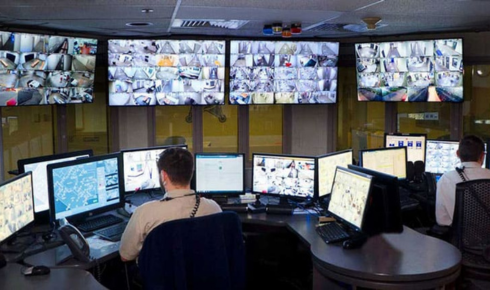
Daily operations inside secure environments rely on more than policy and personnel. Physical systems quietly shape movement, visibility, and response without drawing attention to themselves. Well-designed security hardware becomes the backbone that allows routines to run smoothly while maintaining constant control.
Door Hardware Controls Movement Without Disrupting Daily Routines
Door hardware sets the rhythm of controlled movement. Schedules for meals, recreation, medical access, and transport depend on doors that open and secure consistently without hesitation. Hardware that operates smoothly reduces delays and prevents bottlenecks that can escalate tension.
Equally important is predictability. When staff can rely on doors to respond the same way every time, procedures remain calm and orderly. Solutions like Cornerstone detention center doors are engineered to support frequent cycling while maintaining firm control over access points.
Lock Systems Reduce Response Time During Facility Incidents
Lock systems play a direct role during unexpected events. Centralized or zone-based locking allows staff to secure areas quickly rather than moving door to door. This capability shortens response time and limits how far incidents can spread.
Reliable locking hardware also minimizes confusion. Clear lock status indicators and consistent behavior under stress allow teams to act decisively. Contractors experienced in secure environments, such as Cornerstone detention equipment contractors, understand how lock design supports rapid decision-making.
Hinges and Frames Withstand Repeated Force and Constant Use
Hinges and frames absorb more stress than most components. They support heavy doors, repeated openings, and occasional impact without compromising alignment. Weak points here lead to sagging, binding, or security gaps over time.
Durability matters because replacement disrupts operations. Heavy-duty hinges and reinforced frames reduce maintenance cycles and keep doors functioning as intended. Cornerstone prison supply manufacturers focus on materials and construction methods that stand up to constant use.
Control Panels Support Clear Line-of-sight Monitoring
Control panels act as the operational hub for staff oversight. Their layout affects how quickly officers can identify door status, alarms, and access requests. Clear visual organization reduces errors during high-pressure moments.
Line-of-sight design also improves situational awareness. Panels positioned for direct viewing allow staff to monitor multiple areas without distraction. A Cornerstone security detention equipment contractor understands how panel placement and interface clarity support safer operations.
Hardware Design Limits Tampering and Improvised Tools
Security hardware must anticipate misuse. Rounded edges, concealed fasteners, and tight tolerances reduce opportunities for tampering or tool creation. These design details often go unnoticed but play a major role in risk reduction.
Limiting access to internal components protects both staff and occupants. Hardware that resists manipulation maintains its integrity even under prolonged exposure. Cornerstone detention equipment contractors account for these realities during product selection and installation.
Secure Fasteners Prevent Easy Removal or Damage
Fasteners are small components with large consequences. Standard screws or exposed bolts create vulnerabilities that compromise entire systems. Secure fasteners prevent unauthorized removal and discourage attempts at damage.
Specialized fastening methods also speed maintenance for authorized staff while remaining inaccessible to others. This balance supports efficiency without sacrificing safety. Cornerstone prison supply manufacturers incorporate fastening strategies designed specifically for controlled environments.
Integrated Locks Support Inmate Accountability Procedures
Accountability relies on knowing who is where at all times. Integrated locking systems connect physical movement with tracking and logging procedures. Each door action becomes part of a documented process rather than an isolated event.
This integration supports audits, incident reviews, and daily reporting. Hardware that aligns with accountability procedures reduces manual work and improves accuracy. Cornerstone detention center doors are often designed to support these system-level requirements.
Durable Materials Reduce Downtime from Repairs
Downtime affects staffing, schedules, and safety. Hardware built from durable materials resists wear, corrosion, and fatigue, extending service life. Fewer repairs mean fewer disruptions to daily routines.
Material choice also impacts long-term costs. While higher-grade components may require greater upfront investment, they reduce replacement frequency. Cornerstone security detention equipment contractor solutions emphasize durability to support uninterrupted operations.
Consistent Hardware Improves Staff Safety and Workflow
Consistency across hardware systems simplifies training and daily use. When doors, locks, and controls behave uniformly, staff move confidently through routines without second-guessing equipment behavior.
Improved workflow directly supports safety. Predictable hardware reduces hesitation and missteps during both routine tasks and emergencies. Cornerstone detention equipment contractors recognize that consistency is as important as strength in secure operations.
Security hardware influences every aspect of controlled operations, from movement to monitoring and response. Cornerstone provides engineered detention solutions that focus on durability, reliability, and system integration, helping facilities maintain safety, efficiency, and operational control through thoughtfully designed and professionally installed security hardware.