Category: Travel

  • Scaling Your Sales Processes Without Adding Headcount

    Scaling Your Sales Processes Without Adding Headcount

    Here’s the truth every Aussie business owner knows, growing sales usually comes with growing pains. More leads, more admin, more follow-ups, and eventually, more staff. But what if you could scale your sales processes without adding headcount?

    Imagine your sales team closing more deals while working the same hours. Picture customer conversations tracked automatically, follow-ups sent on time, and reports generated without anyone losing their weekend to spreadsheets.

    Sound too good to be true? It isn’t. With smarter systems, automation, and the right CRM setup, often guided by a HubSpot certified consultant, you can do more with the team you already have.

    Why More Staff Isn’t Always the Answer

    When growth picks up, the knee-jerk reaction is to hire. But extra people come with costs, recruitment, training, salaries, management. And sometimes, adding more bodies just adds more complexity.

    Instead of scaling headcount, consider scaling efficiency. Modern sales tools can:

    • Reduce repetitive admin.
    • Keep leads moving smoothly through the pipeline.
    • Give managers real-time insights without micromanaging.

    The result? Your existing team can handle more opportunities, close more deals, and keep customers happier, without burning out.

    Step 1: Map Your Current Sales Process

    Before you optimise, you need clarity. Too many businesses operate on tribal knowledge, sales reps doing things their way, notes scattered in emails, and deals tracked in memory or, worse, on scraps of paper.

    Start by documenting:

    • How leads are captured.
    • What steps sales reps follow.
    • Where bottlenecks appear.
    • Which tasks eat up the most time.

    This simple exercise often reveals obvious inefficiencies. Maybe leads sit too long without follow-up. Maybe handovers between marketing and sales are clunky. Once you see the gaps, you can fix them.

    Step 2: Automate the Repetitive Work

    Salespeople should be selling, not drowning in admin. Yet so much time goes into things like logging calls, sending reminders, or updating spreadsheets. That’s where HubSpot CRM shines.

    With automation, you can:

    • Trigger follow-up emails after a form is filled.
    • Assign leads automatically based on region or product interest.
    • Create reminders for reps when deals stagnate.
    • Update records instantly when actions are completed.

    A HubSpot CRM consultant can tailor these workflows so they match your business, not just a textbook template.

    Step 3: Align Sales and Marketing

    Scaling sales without hiring means reducing friction between teams. Marketing generates leads, but if sales don’t act quickly, they go cold. Likewise, if marketing doesn’t get feedback on lead quality, campaigns waste money.

    HubSpot bridges this gap by:

    • Creating shared dashboards.
    • Scoring leads based on engagement.
    • Giving visibility into the entire customer journey.

    With alignment, sales spend more time on leads that are actually ready to buy, saving time and boosting conversions.

    Step 4: Use Data for Smarter Decisions

    Gut feeling has its place, but data wins every time. CRMs like HubSpot give you access to real-time insights:

    • Which reps are converting the most leads.
    • Where deals get stuck in the pipeline.
    • How long it takes on average to close a sale.

    This isn’t about micromanaging your team. It’s about spotting patterns and adjusting processes. For instance, if you notice deals stall at the proposal stage, maybe it’s time to streamline how proposals are created and sent.

    Step 5: Personalise at Scale

    Here’s the paradox: customers want personal attention, but your team can’t give one-on-one white-glove service to hundreds of leads. The solution? Personalisation powered by automation.

    With HubSpot, you can:

    • Tailor emails based on customer behaviour.
    • Recommend products based on past purchases.
    • Send reminders timed perfectly to buying cycles.

    To the customer, it feels like thoughtful attention. To your team, it feels like magic. And with a HubSpot certified consultant guiding the setup, you’ll avoid clumsy “Hi [FirstName]” moments.

    FAQs on Scaling Sales Without Hiring

    1. Is it really possible to scale without adding staff?
    Yes. With automation, clearer processes, and better tools, many businesses double their output without increasing headcount.

    2. Won’t automation make us feel less personal?
    Not if it’s done right. The goal is to free your team from admin so they can focus on genuine conversations.

    3. Do I need a HubSpot certified consultant?
    Not always, but working with one can fast-track success. A consultant ensures your CRM is customised, efficient, and aligned with your goals.

    4. How soon will I see results?
    Quick wins (like faster follow-ups) can appear in weeks. Bigger shifts (like reduced sales cycle times) may take a few months.

    A Local Anecdote: Doing More With Less

    A Brisbane-based B2B services company faced a problem: leads were up, but sales staff were maxed out. Hiring was off the table. Instead, they worked with a HubSpot CRM consultant to streamline their pipeline.

    • Leads were scored automatically.
    • Follow-ups were triggered instantly.
    • Managers had visibility into deal progress.

    The result? Conversions jumped 20% in three months, without a single new hire. Staff were less stressed, customers were happier, and the business grew sustainably.

    Wrapping Up: Smarter, Not Bigger

    Scaling sales doesn’t have to mean adding people. It means adding efficiency, clarity, and strategy. By mapping your process, automating admin, aligning sales and marketing, leveraging data, and personalising at scale, you can multiply results without multiplying payroll.

    And with the guidance of a HubSpot certified consultant or HubSpot CRM consultant, you can avoid the trial-and-error stage and implement systems that just work.

  • What Affects Car Shipping Costs? Breaking Down the Price of Auto Transport

    What Affects Car Shipping Costs? Breaking Down the Price of Auto Transport

    Understanding the Price Behind Car Shipping

    When planning to ship a vehicle—whether across a few states or the entire country—the first question most people ask is: “How much will it cost?” While car shipping costs can vary significantly, understanding the main factors behind the pricing can help you plan your move and avoid surprises. Like airline tickets or hotel rates, the cost of auto transport fluctuates based on supply, demand, logistics, and the unique details of your shipment.

    If you’re considering a move or purchasing a car from a distant seller, it helps to know what influences that final quote. Below, we’ll walk through the most common pricing components and explain how to get the best value for your car shipping needs.

    Distance and Route Matter Most

    The number one factor in determining auto transport pricing is the distance your car needs to travel. Longer distances generally result in higher overall costs, but the cost per mile often goes down. For example, shipping a car 200 miles might cost $1 per mile ($200), while shipping it 1,500 miles could cost $0.60 per mile ($900).

    Where your car is going also matters. Shipping between two major metro areas (like Los Angeles to Dallas) is usually cheaper than transporting between remote or hard-to-reach locations due to better route accessibility and higher carrier availability.

    Vehicle Type and Condition

    Not all cars are created equal when it comes to shipping. A compact sedan takes up less space and weighs less than a full-size SUV or a pickup truck, making it cheaper to ship. Larger, heavier vehicles cost more because they limit the number of cars a carrier can haul and increase fuel consumption.

    Your car’s condition also plays a role. Inoperable vehicles require special equipment and handling, which can increase the cost by $100 to $200 or more, depending on the complexity.

    Open vs. Enclosed Transport

    Choosing between open and enclosed transport will have a big impact on your shipping cost. Open transport is the standard method—your car is loaded onto a multi-vehicle trailer, exposed to weather but secured for safe delivery. It’s reliable, efficient, and usually 30–50% less expensive than enclosed options.

    Enclosed transport, on the other hand, offers full protection from weather, dust, and road debris. It’s often used for luxury, classic, or exotic cars and comes with a premium price tag.

    Timing and Flexibility

    Like flights, auto transport prices vary based on demand. Shipping during peak seasons—summer, holidays, or snowbird migration times—can be more expensive due to high demand. On the flip side, booking well in advance or being flexible with your schedule may get you a lower rate.

    Some companies offer guaranteed pick-up dates or expedited shipping for an additional cost, which is worth considering if you’re working with a tight timeline.

    Door-to-Door vs. Terminal-to-Terminal

    With door-to-door car service, the carrier picks up your vehicle from your address and delivers it as close to the final destination as possible. This is the most convenient option, and while slightly more expensive than terminal-to-terminal, it often saves time and additional logistics (like arranging your own ride to and from shipping terminals).

    Seasonal and Regional Demand

    Weather conditions and regional demand can also affect pricing. For instance, shipping a car from northern states during winter can be more expensive due to icy road conditions and limited routes. Meanwhile, routes between states like Florida, Arizona, and California can fluctuate seasonally based on snowbird activity.

    How to Get an Accurate Quote

    The best way to estimate your shipping cost is to get a free quote from a trusted provider. Reputable companies offer transparent pricing with no hidden fees. You’ll typically be asked to provide:

    • Vehicle type and condition
    • Pickup and drop-off locations
    • Desired timeframe
    • Transport type (open or enclosed)

    With that information, a realistic quote can be generated—and you can make a more informed decision.

    Tips for Saving on Car Shipping

    • Book early: Last-minute bookings limit options and may cost more.
    • Be flexible: Letting the carrier choose the pick-up date can lower the price.
    • Choose open transport unless you truly need enclosed.
    • Ship during off-peak times if possible.
    • Compare quotes, but beware of deals that seem too good to be true.

    The cost of car transport isn’t one-size-fits-all. It’s influenced by a blend of logistics, timing, vehicle details, and route specifics. While it might be tempting to go with the lowest quote, choosing a reputable, insured, and communicative company ensures that your vehicle arrives safely and on time. Every business is responsible and has its own tactic. It doesn’t matter whether you make robotic systems, teach students or buy scrap cars, it is important to be serious and care about your business. 

  • Connecting Through Nature: How Outdoor Activities Strengthen Relationships

    Connecting Through Nature: How Outdoor Activities Strengthen Relationships

    In today’s fast-paced world, we’ve grown accustomed to online communication—likes, comments, and emojis have replaced deep, face-to-face conversations. But have you noticed how the world beyond our screens is growing more distant? Outdoor activities offer a perfect way to step away from digital distractions and reconnect with people in a more meaningful way. In the embrace of nature, we can not only relax but also build stronger, more genuine connections through shared experiences.

    Setting Out Together Is More Meaningful Than Going Alone

    Whether it’s hiking, camping, cycling, or rock climbing, outdoor activities often involve teamwork. You plan routes together, share gear, support each other, and tackle challenges side by side. These shared experiences forge bonds in a way that casual social gatherings never could. A helping hand on a steep trail, a word of encouragement when someone is tired—these simple gestures create warmth and trust between people.

    Nature Helps Us Let Down Our Guard

    Nature has a magical way of making people feel at ease. Surrounded by mountains, lakes, and forests, with the wind on our faces and the sound of birds and flowing water in our ears, we naturally relax. Away from the pressures of urban life, conversations become more genuine. Without the distractions of phones and daily worries, we truly listen to one another, fostering deeper understanding and connection.

    Shared Experiences Create Lasting Memories

    A late-night campfire conversation, sharing snacks on a long hike, or watching the sunrise from a mountaintop—these moments become cherished memories. Unlike fleeting social media interactions, these experiences leave a lasting imprint. Compared to rushed city meetups, outdoor activities cultivate relationships that feel more real and enduring.

    From Strangers to Teammates: The Unique Charm of Outdoor Socializing

    Outdoor activities are also a great way to meet new people. Many lifelong friendships begin on a hiking trail or during a camping trip. With shared goals and common interests, connections form naturally. These bonds, built through mutual support and shared adventure, are often stronger and more genuine than those formed in everyday social settings.

    Step Into Nature, Step Closer to Each Other

    True connection isn’t found in social media notifications—it’s in the miles walked together, the mountains climbed, and the challenges faced side by side. Outdoor activities not only bring us closer to nature but also teach us how to build deep, meaningful relationships.

    Put down your phone, invite a friend, or join an outdoor group. Immerse yourself in nature and experience the warmth of real human connection. Outdoor adventures are not just about personal challenges—they’re about strengthening the bonds that truly matter.

    Click to explore more outdoor gear!—YOUTHUP

  • Experience the Everest Three High Passes Trek A Sherpa’s Expertise

    Experience the Everest Three High Passes Trek A Sherpa’s Expertise

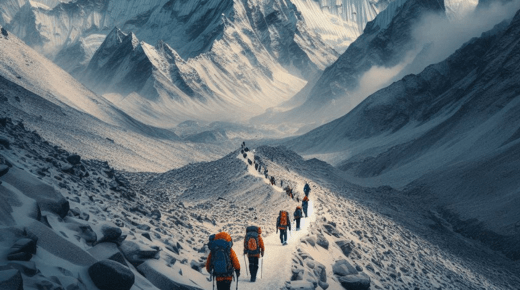
    The Everest Three High Passes trek is a lifetime challenging trek that demands trekkers physically as well as mentally, featuring possibly the best scenery anywhere on the globe. One of the biggest assets you can have to ensure you can complete this challenging route is the knowledge of Sherpas. This can include hiring professional mountaineers and local guides, as they have in-depth knowledge of the topography, and culture and achieve a challenge that not everyone who sets off to summit the mountain can achieve, a trekking event great, and epic in nature.

    Sherpas are indigenous to the Himalayas and their expertise, built up over thousands of years of living and working in the Everest region, sets them apart. Their experience means trekkers will navigate the rugged — and at times treacherous — paths through Renjo La, Cho La, and Kongma La passes, each at an elevation of more than 5,000 meters. Sherpas possess an intuitive skill set, whether it’s mentoring you over rugged terrain or snowy inclines, they know how to read the mountains and adjust the route according to weather, infrastructure, and risk, ensuring the safety of their entire group.

    In addition to their technical proficiency, Sherpas offer crucial assistance in altitude sickness. But trekking at great heights is tiring, and it is important for the body to acclimatize in order to avoid health problems related to altitude. Sherpas are well aware of altitude sickness symptoms and can make immediate decisions about adjusting the pace of the trek or, if need be, helping with emergency evacuations. They know that their experience, knowing what to expect along the way, and awareness of potential hazards, are the keys to keeping everyone safe and happy throughout the voyage.

    And too, Sherpas are incredible motivators. The trek can feel a bit oppressive at times, but the Sherpas’ positive attitudes encourage and depth of knowledge about local traditions and history to create deeper roots with the land. Set off with Sherpas who help foster a sense of camaraderie, making this not just a physical challenge but a transformational journey through stunning villages, frozen lakes, and snow-covered mountains on the Everest Three High Passes trek. Their experience and guidance enable this once-in-a-lifetime journey to be safe, fruitful, and life-changing.

    Introduction to the Everest Three High Passes trek

    The Everest Three Pass Trek map is an unforgettable trek through the heart of the Everest region, with the reward of crossing not one, not two but three high passes. This trek is meant for experienced hikers who are looking for a tougher alternative to the Everest Base Camp trek. The trek crosses three of the highest and most formidable passes in the Himalayas, Kongma La, Cho La, and Renjo La. These mountain passes, which are located at higher altitudes over 5,000 meters, give scenic views where one can see the whole of the Everest region, the peaks like Mt. Everest, Lhotse, and Makalu. In addition to the incredible mountain scenery, trekkers walk through traditional Sherpa villages, Buddhist monasteries, and pristine glacial lakes. This trek is strenuous and it takes a lot of mental and physical preparation, on a day-to-day basis you will trek through very remote and high-altitude terrain over long days. Focus on the more off-the-beaten-path trails in the Khumbu region that remain a relatively calm alternative to the busy hiking route to Everest Base Camp.

    The part played by Sherpas in high-altitude journeys

    Everest Three Pass Trek package On high-altitude treks such as the Everest Three High Passes Trek, the Sherpas are an indispensable part of the experience, providing expert service and support that are vital to the success and safety of the trek. Being natives of the Khumbu region, Sherpas have an intimate knowledge of the mountains, terrain, and local weather patterns. They can survive at higher altitudes where oxygen is substantially less, making them a great help for trekkers who may be affected by the challenging conditions. Sherpas act as guides and porters, leading trekkers along arduous routes, ensuring that they remain on the correct path, and assisting them in traversing treacherous mountain terrain. They also help maintain the safety of trekkers by watching for symptoms of altitude sickness, providing advice for acclimatization, and administering first aid when needed. Sherpas help carry heavy loads too, so trekkers can concentrate on the journey itself. Their local knowledge also includes cultural insights, offering context on the region’s history, traditions, and spiritual practices along the way. Their entrenched knowledge of the land and capability in high-altitude trekking are essential to any Everest expedition.

    Getting Fit and Packing for the Trek

    To get you through the strenuous conditions and high-altitude environment of the Everest Three High Passes Trek, you will need to prepare beforehand with proper physical training and equipment. As the trek requires a mix of steep ascent, rocky terrain, and days of walking long hours in a row, it’s essential for trekkers to develop strength in their cardiovascular system through exercise (hiking, running, cycling, swimming, etc.). Strength training, specifically for the legs, core, and upper body, will be beneficial for carrying a backpack and navigating steep ascents and descents. Moreover, hikers should get used to the altitude by spending time at higher elevations, if able, before setting out on the trek. It is also important to mentally prepare yourself for the trek as it is physically demanding and quite tiring mentally and physically. When it comes to gear, trekkers must suit up for the extremes. The basic gear consists of warm layers (thermal clothes, down jackets, and moisture-wicking garments), durable trekking boots, trekking poles, and a well-made backpack. A sleeping bag rated for sub-zero temperatures, a headlamp, and a first-aid kit are also necessary since the trek will take trekkers through remote areas with unpredictable weather. Trekking in such conditions elevates the importance of wearing the right kit to be safe, warm, and comfortable meaning preparation is often the difference between success and failure on the trek.

    An Overview Of The Three High Passes

    Everest Base Camp Three Pass Trek Kongma La, Cho La, and Renjo La are the three high passes of the Everest region, which are a part of the Everest Three High Passes Trek with stunning experiences. Each pass is above 5,000 meters and has its own physical challenges, including steep inclines, rocky routes, and changing weather. At 5,535 meters, Kongma La, the highest of the three, is rocky terrain that affords breathtaking views of both Mount Everest and Lhotse, and Makalu. At 5,420 meters, Cho La is covered in snow, making it one of the more dangerous passes, requiring cautious maneuvering. Renjo La, the last pass at 5,360 meters, is less popular and features gorgeous views of the Everest region, including a glimpse of the wonderful Gokyo Lakes below. Not only is the journey between these passes physically demanding but it also allows you to witness a variety of surroundings, from secluded Sherpa settlements to untouched glacial waters. Trekking these high-altitude passes, trekkers will also witness stunning vistas of snow-capped peaks, making it a once-in-a-decade experience for those wanting to test their physical limits and explore the lesser-worn paths of the Everest region.

    Beginnings: Lukla to Everest Base Camp

    The trek to Everest Three High Passes starts with a flight from Kathmandu to Lukla, a small town at the entrance to the Everest area. The town of Lukla, at 2,860 meters, is one of the most adrenaline-fueled and risky airport landings in the world, outlined by steep mountain slopes. When trekkers arrive in Lukla, they start their hike going downhill, toward the Phakding Valley, and head in the direction of Namche Bazaar, the busy center of the Khumbu region. This village is an important acclimatization stop and is home to colorful markets, restaurants, and Sherpa culture. The journey from Namche Bazaar sees trekkers following the classic Everest Base Camp trail, along the way passing through picturesque villages, such as Tengboche, Dingboche and Lobuche, each presenting panoramic views of the surrounding peaks. The trail slowly ascends giving trekkers the opportunity to acclimatize before other high passes. As trekkers go along this path, they will also see the spiritual importance of the area, with bibulous landmarks marking off monasteries and stupas. Once at Everest Base Camp, trekkers can spend some time absorbing the views of the Khumbu Icefall and the foot of the world’s tallest peak itself before carrying on to scale the three high passes that make this such a tough and fulfilling adventure.

    Inspiration: Crossing Kongma La Pass with Sherpa’s guidance

    Everest Base Camp Three Pass Trek itinerary Kongma La Pass, which is at a height of 5,535 meters is the highest but also one of the toughest passes of the Everest Three High Passes Trek. Trek to Kongma La starts from Lobuche village a rocky steep climb for trekkers. Kongma La is the toughest because of its rocky trails and high altitude. In this part, you need the help and support of a Sherpa guide, as Sherpas are knowledgeable and familiar with the route, and they can help you navigate the rocky paths safely. They are trained to identify possible dangers and assist hikers in navigating the challenging climb. Atop Kongma La, trekkers are rewarded with expansive views of Mount Everest, as well as Lhotse, Makalu, and other giants of the Himalayas₇, and experience the grandeur of the Everest region from one of its highest points. The climb back down is equally challenging; it can be steep and rocky, requiring the utmost attention. Guided by a Sherpa, trekkers are able to traverse both the up and down portions of Kongma La, allowing them to access the massive views available from the pass while reducing the risk commonly faced during high-altitude treks.

    Tips from Sherpas on Navigating the Cho La Pass

    Cho La Pass is considered one of the hard and thrilling parts of the Everest Three High Passes trek. Located at 5,420 meters (17,782 feet), this pass connects the Gokyo Valley to the Khumbu Valley and offers trekkers a challenging, rugged trail, often covered with snow and ice. Crossing this pass takes immense physical strength, along with intimate knowledge of the land and mountain that only Sherpas possess.

    Sherpas excels at reading trail conditions and adapting pace to the weather and terrain. Because they know the pass well, they can navigate trekkers past potential hazards like unsteady rocks or deep snow. One piece of advice Sherpas gives about traversing Cho La is to do so as early in the morning as possible to beat the afternoon storms and allow enough time to safely descend before dark. With steep inclines and unpredictable weather, having Sherpas at your side offers a sense of security and guidance.

    Everest Base Camp Three Pass Trek cost Apart from giving good technical guidance, Sherpas are trained to know if trekkers are suffering from tiredness or altitude problems. They can suggest times for breaks and provide pep talks to keep morale up. By following their timing and recommendations, trekkers can cross Cho La with peace of mind, safe in the knowledge they’re in experienced hands. The attention to detail and vigilance of the Sherpas contribute to a smooth, successful crossing of this challenging pass.

    Sherpa’s Expertise on Renjo La Pass

    The Everest Three High Passes trek also includes Renjo La Pass (5,360 meters or 17,590 feet) as another highlight of this trek. It affords trekkers unbelievably stunning views of the Everest region, but it is a rugged section of the route with steep climbs and the potential for snow or ice. Renjo La trekking is not only a physically demanding outdoor business but also an exercise in local expert knowledge — where the Sherpa clan shines.

    Sherpas are familiar with the conditions at Renjo La and give essential advice to trekkers before and during the climb. They advise acclimatization breaks and track weather conditions to keep trekkers out of danger during the ascent. Their advice is valuable for trekkers traversing precarious portions of the trail, where slipping is a genuine danger. Sherpas are also trained to look for signs of fatigue or altitude sickness and use it to adjust the pace to avoid issues.

    Traveling over Renjo La with Sherpas means trekkers can enjoy the scenery while knowing they have the skills to safely pass this high-altitude pass. A Sherpa’s expertise under these conditions not only guarantees success on the trek but also helps make the experience more enjoyable. They know how to read the weather, the terrain, and your own limitations, to make sure every step is purposeful and considered. Renjo La becomes a challenging yet rewarding experience thanks to their encouragement and local knowledge.

    The Role of Acclimatization and Assistance from Sherpas

    Acclimatization is the most significant part of the Everest Three High Passes trek journey to be able to complete it safely. As climbers climb above 5,000 meters, the body needs to slowly acclimatize to the lower oxygen present in the atmosphere. Paste your text here… Only trekkers who properly acclimatize remain on course, as altitude sickness can curtail the adventure in a matter of days. This is where Sherpas come in, and their support becomes vital.

    Everest Base Camp Three Pass Trek price Sherpas have an unparalleled knowledge of how to manage acclimatization schedules because they spend their lives in high-altitude conditions. They are intimately familiar with the symptoms of altitude sickness and can help trekkers detect early signs before they escalate to a more serious level. Sherpas know that a slow ascent is essential, which is why they will make sure that trekkers take a number of rest days to allow the body to acclimatize itself. They are also versed in recommending the “climb high, sleep low” technique in which trekkers go to a high point during the day and sleep at a lower elevation, to support the body’s acclimatization process.

    Beyond their technical expertise, Sherpas provide a mental lift during the arduous acclimatization process. Trekkers to high altitudes can often face mental fatigue, but Sherpa offers encouragement, aiding trekkers to stay focused and positive during the process. Their familiarity with the area, along with their ability to gauge trekkers’ requirements and limitations, means they handle acclimatization correctly, making for a safe and rewarding trip.

    Sherpa Support to Overcome Hurdles

    Regarded as one of the toughest treks on Earth, the Everest Three High Passes trek is as rewarding as it is unpredictable. Navigating the rugged terrain, extreme weather elements, and high altitudes can be a challenge on its own. This is precisely where Sherpas come into play, helping alleviate some of these struggles with their knowledge, assistance, and direction along the way.

    Sherpas are skilled at reading when trekkers are experiencing physical stress or mental exhaustion. They monitor the conditions on the trail, recommending when to stop for breaks, how much to drink, and how fast to go to ensure trekkers are not pushing themselves too hard. Indeed, Sherpas not only help handle physical challenges, but they also play a vital psychological role in helping trekkers deal with the psychological blocks they come up against. Whether helping with morale during an arduous section or offering mental toughness when things get tough, Sherpas are always there to assist.

    One of the toughest questions on the Three High Passes hike is coping with the consequences of altitude sickness. Sherpas are uniquely adept at noticing the early stages of altitude sickness and can immediately slow the pace suggest rest periods or even insist on descending to a lower altitude. Whether exposed to the elements or battling fatigue, trekkers remain safe and well-supported every step of the way—thanks to the mountain experts who beckon them forth.

    Sherpa guided safety and emergency protocols

    The Everest Three High Passes is a high-altitude, remote trek, and safety is always the most important factor: Sherpas are trained and experienced to respond in the event of an emergency. Though an epic adventure with stunning beauty, the high altitudes, difficult terrain, and changing weather make expert guidance a must for the trek. Sherpas are trained to respond to a wide array of potential emergencies, from altitude sickness to injury or abrupt shifts in weather conditions.

    They are very experienced and experienced in first aid and understand the hazards of high-altitude trekking. They are trained to notice the early symptoms of altitude sickness — dizziness, nausea, or headaches — and are able to intervene swiftly before the condition becomes more serious. If emergency medical treatment or helicopter evacuation is needed, Sherpas are also trained to administer immediate medical assistance and help coordinate your evacuation to a lower altitude or to get to a helicopter. Read more About Gimkit Join

    Besides their medical skills, Sherpas are familiar with the safety measures in the area. They’re trained to deal with sudden rain storms, temperature extremes, or any other environmental factors that can put trekkers at risk. Whether they are showing trekkers the ropes of staying hydrated, packing the proper gear, or knowing when to turn back in the face of treacherous terrain, Sherpas are there to guide trekkers each step of the way to ensure their safety.

    Next: How a Sherpa Can Elevate the Experience for You

    The Everest Three High Passes trek is a remarkable going to the place that is known for its rich landscapes, and grand valleys intertwining through strong mountains. The journey’s success then lies in the expertise of the Sherpas who guide trekkers through this treacherous terrain, although preparation and willpower play a big part. Their expertise with the mountains, the weather, and the culture elevates every element of the trip, transforming a difficult journey into an extraordinary experience.

    Everest Base Camp Three Pass Trek map Trekkers are provided guides, but it is these Sherpas who really hold the trek together, guiding trekkers from mountain to mountain, ensuring they are safe, at an optimal acclimatization level, and psychologically ready to take on the next challenge. Whether it’s giving advice on avoiding the high passes or just emotional support in the hard times, Sherpas make the trip not only doable but also fun. Their training in altitude sickness management, emergency response, and encouragement through the most challenging stretches of the trail make them invaluable partners on this epic journey.

    With that, yak herding, and summits of peaks to the East of the pass behind your mind, trekking with Sherpas offers you the opportunity to experience the Everest Three High Passes in a safe and enriching way. Their presence also guarantees your safety and helps you feel much more connected to how the history culture and beauty of the region. The experience takes you hiking not just with a Sherpa, but creating an immersive experience to your liking that you are sure to have memories for the rest of your life.

  • Unlock Unforgettable Family Memories at Tamu Hotel: A Delightful Stay in the Heart of Kuala Lumpur

    Unlock Unforgettable Family Memories at Tamu Hotel: A Delightful Stay in the Heart of Kuala Lumpur

    Nestled in the vibrant cityscape of Kuala Lumpur, Tamu Hotel offers an exceptional retreat where families can create unforgettable memories. Embodying a unique blend of modern elegance and warm hospitality, Tamu Hotel is more than just a place to stay; it’s a sanctuary where families bond, explore, and enjoy. Let’s delve into what makes Tamu Hotel the ideal choice for families visiting Malaysia’s bustling capital.

    Welcome to Tamu Hotel: Your Home Away From Home

    Situated at the heart of Kuala Lumpur, Tamu Hotel perfectly encapsulates the essence of comfort and luxury, offering a home-like experience for visitors. With its stylish architecture and welcoming ambiance, the hotel holds a prestigious place in Kuala Lumpur’s hospitality scene. Historically, the location of Tamu Hotel has been a significant spot, playing host to an array of travelers drawn by its proximity to key tourist attractions. Tamu Hotel is easily accessible, providing families with a convenient hub from which to explore the city. Renowned for its outstanding service, Tamu Hotel provides families with a hospitable environment, ensuring each stay is filled with delightful experiences. Visit Traveloka to learn more about special offers and unbeatable rates for your family’s stay.

    Your Family Suite Awaits: Accommodations that Delight

    At Tamu Hotel, families can choose from a selection of spacious suites designed to cater to diverse needs. Featuring modern furnishings and thoughtful amenities, these rooms guarantee a relaxing retreat after a day of exploration. Families can opt for interconnected rooms to ensure plenty of space and privacy for everyone. bulletpoint – Request additional pillows or bedding if needed – Don’t hesitate to ask for a mini-fridge for baby food or extra snacks – Use the room service feature for a cozy night in after a busy day And don’t forget: Through Traveloka, families can easily book their rooms, ensuring a hassle-free start to their vacation.

    Savory Adventures: Dining Options at Tamu Hotel

    Dining at Tamu Hotel is an experience that delights every member of the family. The hotel boasts a variety of family-friendly dining options that cater to different palates. The on-site restaurant features a menu filled with both local and international dishes, providing a savory journey right at your accommodation. Parents can relish culinary delights while kids enjoy tailored meals from a diverse kid’s menu, full of nutritional yet delicious options. Must-try dishes include the famous Malaysian Nasi Lemak, and for those with a sweet tooth, the hotel’s pastries are a favorite. Be sure to explore dining packages on Traveloka to find great deals and reserve your family’s spot in advance.

    Explore Kuala Lumpur: Attractions Near Tamu Hotel

    Tamu Hotel is strategically positioned near some of Kuala Lumpur’s top attractions. Whether your family is seeking adventure or cultural experiences, you’re just a short trundle away from thrilling activities. The Petronas Twin Towers, a symbol of the city, offers an exciting day out with its sky bridge and observation deck. For a nature escape, nearby parks and gardens, such as Bukit Nanas Forest Reserve, promise hours of exploration and fun. Cultural experiences abound with easy access to the Kuala Lumpur City Gallery and traditional markets where families can immerse themselves in local heritage. To ease your travels, consider the city’s myriad transportation options; taxis and light rail systems are readily available. Booking through Traveloka ensures everyone can focus on enjoying the moment, with transportation tips and options at your fingertips.

    Charming Experiences: Tamu Hotel’s Exclusive Family Activities

    During your stay at Tamu Hotel, take advantage of the exclusive family activities crafted to build bonds and create memories. The hotel offers curated experiences like movie nights under the stars and art workshops. Seasonal events, such as festive celebrations and themed evenings, provide an opportunity for families to partake in the cultural richness of Malaysia. From special crafts to music sessions, every day brims with engaging prospects for children to learn and play. These shared experiences not only strengthen connections but also make for cherished stories to remember long after your vacation.

    The Playzone: Joyful Spaces for Kids

    To ensure young guests enjoy an unforgettable stay, Tamu Hotel offers a dedicated Playzone packed with fun activities. The play area is a safe haven designed for youngsters to enjoy games and make new friends. Daily schedules of activities include game challenges, storytelling sessions, and interactive workshops, making it a delightful space for fun and creativity. Parents can relax knowing there are strong safety measures in place, including secure play equipment and supervision by trained staff. An atmosphere of safety and care at Tamu’s Playzone offers peace of mind ensuring everyone’s stay is carefree and enjoyable.

    Worry-Free Stays: Concierge and Family Services

    Tamu Hotel is committed to easing your family stay, providing focused concierge and family services that accommodate every need. Families traveling with young children can benefit from babysitting services for those moments when parents need a break or a romantic dinner for two. The hotel’s concierge is always eager to assist with special requests, whether it’s arranging transport, suggesting local excursions, or even customizing room settings for specific family needs. This personalized service underscores Tamu Hotel’s commitment to offering a stay that’s as comfortable as home.

    Memorable Souvenirs: Family Shopping Destinations

    No family trip to Kuala Lumpur is complete without a visit to the vibrant markets and shopping districts surrounding Tamu Hotel. Local treasures, from handcrafted batik prints to intricate pewter pieces, make for perfect souvenirs. Families can explore nearby shops featuring unique artisan products and take home a piece of Malaysian culture. Markets like the famous Central Market provide a colorful variety of options, including merchandise that speaks to the city’s rich traditions. Tamu Hotel can guide you on the best spots to grab a keepsake that will forever remind you of this extraordinary trip. By choosing Tamu Hotel, families are assured of a stay that combines luxury, memorable experiences, and absolute comfort. Whether booking your stay through Traveloka or discovering dining delights and nearby attractions, your family’s journey in Kuala Lumpur will undoubtedly be one for the photo albums – full of laughter, joy, and moments to cherish forever.

  • Most Famous Food to Try in Thailand

    Most Famous Food to Try in Thailand

    Thailand is a paradise for food lovers, offering a diverse range of flavors that combine sweet, sour, salty, and spicy elements in perfect harmony. Whether you’re exploring bustling street markets or dining in high-end restaurants, Thai cuisine never fails to impress. If you are planning a trip with Thailand Tour Packages, here are four must-try dishes that will give you an authentic taste of the country.

    1. Pad Thai – The Iconic Stir-Fried Noodles

    Pad Thai is perhaps the most Famous Thai Food known worldwide. This stir-fried noodle dish is made with rice noodles, tofu, eggs, and shrimp or chicken, all tossed in a tamarind-based sauce. The dish is garnished with crushed peanuts, fresh lime, and bean sprouts, offering a delightful mix of textures and flavors.

    • Where to Try: Street food stalls in Bangkok’s Khao San Road or local night markets in Chiang Mai.
    • Why It’s Special: The balance of sweet, sour, and savory flavors makes it a favorite among both locals and tourists.
    • Customization: Many vendors allow you to choose your protein and spice level, ensuring a personalized experience.

    2. Tom Yum Goong – The Spicy and Sour Shrimp Soup

    Tom Yum Goong is a legendary Thai soup that bursts with flavors. Made with fresh shrimp, lemongrass, kaffir lime leaves, galangal, chili, and lime juice, it is both aromatic and tangy. This soup is often enjoyed as a starter and is believed to have medicinal properties due to its use of herbs and spices.

    • Where to Try: Seafood restaurants in Bangkok, Phuket, or Krabi.
    • Why It’s Special: The perfect blend of heat and citrusy freshness makes it a must-try dish.
    • Varieties: Some variations include coconut milk for a creamier texture.

    3. Som Tam – The Refreshing Green Papaya Salad

    Som Tam is a spicy and tangy salad made from shredded green papaya, tomatoes, peanuts, dried shrimp, chili, and lime juice. Originating from the northeastern region of Thailand, this dish is a staple in Thai cuisine and is enjoyed as a refreshing side dish or a light meal.

    • Where to Try: Street food stalls in Bangkok’s Chatuchak Market or traditional Isaan restaurants.
    • Why It’s Special: The combination of crunchiness, heat, and tanginess makes it one of the most Famous Thai Food options.
    • Serving Style: Often paired with sticky rice or grilled chicken.

    4. Mango Sticky Rice – The Sweet Finale

    No trip to Thailand is complete without trying Mango Sticky Rice, a beloved Thai dessert. This dish consists of glutinous rice soaked in sweet coconut milk and served with ripe mango slices. It is a simple yet incredibly satisfying treat.

    • Where to Try: Found in almost every night market, especially in Chiang Mai and Bangkok.
    • Why It’s Special: The natural sweetness of mango combined with creamy coconut rice creates a delightful contrast.
    • Best Time to Eat: Mangoes are in season from March to June, making this the best time to enjoy this dessert.

    Conclusion

    Thailand’s culinary scene is a reflection of its rich culture and history. Whether you’re enjoying a bowl of Tom Yum Goong or savoring the sweetness of Mango Sticky Rice, each dish tells a unique story. If you’re planning your next adventure, be sure to explore the local flavors with Thailand Tour Packages to make the most of your trip. The country’s vibrant street food culture and diverse flavors promise an unforgettable experience for every traveler.

    Also, check out our Singapore Malaysia Thailand Vacation Packages with Indian food!

  • Best Lakes to Visit in Europe 

    Best Lakes to Visit in Europe 

    Europe is home to some of the most stunning lakes in the world, offering breathtaking landscapes, crystal-clear waters, and picturesque surroundings. Whether you’re planning a romantic getaway, an adventure-filled trip, or a relaxing retreat, these lakes should be on your travel bucket list. Here are the best lakes to visit in Europe in 2025-26.

    1. Lake Como, ItalyWhy Visit?

    One of Italy’s most famous lakes, Lake Como is renowned for its dramatic scenery, luxurious villas, and charming lakeside villages. Surrounded by the Italian Alps, this lake offers a perfect blend of natural beauty and sophistication.

    Top Attractions:

    • Explore the elegant town of Bellagio, known as the ‘Pearl of Lake Como’.
    • Visit Villa del Balbianello, a historic mansion with stunning gardens.
    • Enjoy a boat cruise across the lake for panoramic views of the Alps.

    2. Lake Bled, SloveniaWhy Visit?

    Lake Bled is one of the most enchanting destinations in Europe, known for its fairytale-like setting. The emerald-green waters, the picturesque Bled Island, and the medieval Bled Castle make it a must-visit location.

    Top Attractions:

    • Take a traditional Pletna boat to Bled Island and ring the wishing bell.
    • Hike up to Bled Castle for a panoramic view of the lake.
    • Indulge in a slice of Bled Cream Cake, a local delicacy.

    3. Lake Geneva, Switzerland & FranceWhy Visit?

    Straddling the border between Switzerland and France, Lake Geneva is one of Europe’s largest lakes. It offers a mix of vibrant city life, cultural experiences, and natural beauty.

    Top Attractions:

    • Stroll through Montreux, famous for its jazz festival and lakeside promenade.
    • Visit Château de Chillon, a medieval fortress with a rich history.
    • Enjoy water sports like paddleboarding, sailing, and kayaking.

    4. Plitvice Lakes, CroatiaWhy Visit?

    A UNESCO World Heritage Site, Plitvice Lakes National Park is a breathtaking wonder with cascading waterfalls, crystal-clear lakes, and lush greenery.

    Top Attractions:

    • Walk along the wooden trails connecting the lakes and waterfalls.
    • Capture stunning photos of the famous Veliki Slap (Great Waterfall).
    • Spot local wildlife, including deer and rare bird species.

    5. Lake Hallstatt, AustriaWhy Visit?

    Nestled in the Austrian Alps, Lake Hallstatt is a dreamlike destination featuring a charming lakeside village and stunning mountain views.

    Top Attractions:

    • Explore the historic town of Hallstatt, known for its traditional Austrian architecture.
    • Visit the Hallstatt Salt Mine, one of the oldest in the world.
    • Take a scenic boat ride for breathtaking views of the Alps.

    6. Loch Ness, ScotlandWhy Visit?

    Famous for the legendary Loch Ness Monster, this deep freshwater lake in the Scottish Highlands offers mystery, beauty, and adventure.

    Top Attractions:

    • Explore the ruins of Urquhart Castle, overlooking the lake.
    • Take a Loch Ness cruise and try to spot ‘Nessie’.
    • Visit the Loch Ness Centre & Exhibition for insights into the legend and lake’s history.

    Conclusion

    Europe’s lakes offer something for every traveler, whether it’s adventure, relaxation, or cultural exploration. Whether you’re admiring the scenic landscapes of Lake Como or uncovering the secrets of Loch Ness, these destinations promise unforgettable experiences. Start planning your trip today with the best Europe Tour Packages and immerse yourself in the beauty of these stunning lakes.

    Also Read: Discover the Best Time to Explore Europe: A Seasonal Guide!

  • Tailormade Holidays: Your Gateway to the Wonders of Cuba

    Tailormade Holidays: Your Gateway to the Wonders of Cuba

    When it comes to creating unforgettable travel experiences, tailormade holidays offer unmatched flexibility and personalization. Cuba, a vibrant and diverse island in the Caribbean, is the perfect destination for those seeking a unique and deeply enriching journey. From breathtaking natural landscapes and thrilling adventures to rich cultural traditions and serene escapes, Cuba provides a canvas for crafting the perfect holiday. Whatever your reason for travel—adventure, relaxation, or cultural immersion—a tailor-made journey ensures every detail is designed with your interests in mind.

    Why Cuba Stands Out as a Tailormade Destination

    Cuba is a country of contrasts, blending natural beauty, historic charm, and vibrant culture. Its appeal lies in its variety—lush valleys, pristine beaches, majestic mountains, and lively cities all coexist harmoniously. Travelers can dive into marine adventures, sail through turquoise waters, trek across stunning landscapes, or explore centuries-old colonial towns.

    What makes Cuba ideal for a tailor-made holiday is its ability to cater to a wide range of preferences. Whether you’re an adventurer looking to hike through dense jungles or a culture enthusiast eager to experience local traditions, Cuba offers countless opportunities to create a trip that reflects your passions.

    Adventurous Escapes: Land and Sea

    For thrill-seekers, Cuba is a playground of adventures both above and below the water. Its crystal-clear seas are a haven for divers and snorkelers, offering vibrant coral reefs, shipwrecks, and abundant marine life. Jardines de la Reina, a protected marine reserve often called the “Gardens of the Queen,” is a world-renowned diving destination where you can encounter sharks, sea turtles, and colorful fish in an untouched underwater paradise.

    Sailing enthusiasts will find Cuba’s calm, turquoise waters perfect for exploring hidden coves and secluded beaches. A sailing trip through the Jardines del Rey archipelago or along the southern coast provides breathtaking views and a sense of serenity. For a unique experience, embark on a sunset cruise in Cienfuegos or explore the mangroves near Isla de la Juventud.

    On land, Cuba’s diverse terrain offers plenty of opportunities for hiking and exploration. The Sierra Maestra Mountains are rich in both natural beauty and historical significance, as they were the base for Cuba’s revolutionary movement. Viñales Valley, with its iconic limestone mogotes, provides a more tranquil setting for outdoor activities like horseback riding and cycling.

    Cultural Immersion in Cuba

    Cuba’s cultural richness is one of its biggest draws. The island is a melting pot of Spanish, African, and Caribbean influences, resulting in a vibrant tapestry of traditions, art, and music.

    Havana, the capital, is a living museum of colonial architecture and vintage charm. Stroll through the streets of Old Havana, a UNESCO World Heritage Site, to admire colorful buildings, historic plazas, and centuries-old churches. The Malecón, Havana’s iconic seaside promenade, is a hub of local life where you can watch classic cars cruise by and enjoy the ocean breeze.

    Music and dance are the soul of Cuba. In Santiago de Cuba, the birthplace of many of the island’s musical genres, you can experience the infectious rhythms of salsa, rumba, and son. Dance lessons, live performances, and impromptu street music make it easy to immerse yourself in the rhythm of Cuban life.

    History lovers will appreciate Cuba’s rich revolutionary legacy. Visit the Museum of the Revolution in Havana, Che Guevara’s mausoleum in Santa Clara, or the Moncada Barracks in Santiago de Cuba to gain insight into the island’s storied past.

    Relaxation in Paradise

    Cuba isn’t just about adventure and culture; it’s also a haven for relaxation. The island boasts some of the most idyllic beaches in the Caribbean, where powdery white sands meet crystal-clear waters. Varadero is a top choice for luxury seekers, offering high-end resorts and pristine beaches.

    For a more intimate beach experience, head to the remote islands of Cayo Coco or Cayo Largo. These tranquil getaways are perfect for unwinding in solitude, surrounded by unspoiled natural beauty.

    Cuba’s countryside is equally inviting for those seeking a slower pace. The Viñales Valley, with its lush tobacco fields and dramatic landscapes, provides a peaceful retreat. Stay in a casa particular, a private guesthouse, where you can enjoy warm Cuban hospitality and home-cooked meals made from fresh, local ingredients.

    Tailoring Your Cuban Holiday

    The beauty of tailormade holidays is that no two are the same. Your Cuban adventure can be designed to include a mix of activities and destinations that suit your personal preferences.

    For example, you might start your journey in Havana, exploring its historic streets and vibrant nightlife. From there, head to Viñales for a taste of rural life, followed by a trek through the Sierra Maestra Mountains. Finally, unwind on the serene beaches of Cayo Santa María or Varadero.

    Alternatively, combine cultural exploration with outdoor adventure. Spend a day diving in Jardines de la Reina, then explore the colonial charm of Trinidad, a town known for its cobblestone streets and pastel-colored buildings. For a romantic getaway, pair a sailing excursion with a stay at a boutique hotel in Cienfuegos, known as the “Pearl of the South.”

    Working with travel experts like www.captivatingcuba.com ensures that every detail of your holiday is meticulously planned. From accommodations and transportation to guided tours and exclusive experiences, their expertise makes it easy to create a seamless and memorable journey.

    The Benefits of Tailormade Holidays

    A tailor-made holiday offers unparalleled flexibility, allowing you to design an itinerary that reflects your unique interests and pace. Unlike pre-packaged tours, you have control over where you go, what you do, and how much time you spend at each destination.

    This personalized approach is especially beneficial for families, couples, and solo travelers, as it ensures that everyone’s needs are met. Families can include child-friendly activities, such as beach days and wildlife encounters, while couples might focus on romantic experiences like private dinners and sunset cruises. Solo travelers can delve into Cuban culture with guided tours and social experiences that foster connections with locals.

    Another advantage of tailor-made holidays is the opportunity to avoid crowded tourist spots and discover hidden gems. Whether it’s a lesser-known diving spot, a quiet mountain trail, or a family-run restaurant, these unique experiences add depth and authenticity to your journey.

    Make Cuba Your Next Tailormade Destination

    Cuba is more than just a destination—it’s an experience that engages all your senses. The rhythm of its music, the warmth of its people, the beauty of its landscapes, and the richness of its history make it a place unlike any other.

    With a tailormade holiday, you can explore Cuba in a way that is uniquely yours. Whether you’re diving into its vibrant marine life, hiking through its stunning valleys, dancing to the rhythms of salsa, or simply relaxing on a sun-drenched beach, your journey will be as unforgettable as the island itself.

    Let Cuba inspire your next adventure, and discover the magic of this incredible destination through a personalized journey that will create memories to last a lifetime.

  • Sundarban Travels: A Complete Guide to Your Dream Sundarban Trip and Second-Hand Books Online Store

    Sundarban Travels: A Complete Guide to Your Dream Sundarban Trip and Second-Hand Books Online Store

    The Sundarbans is a unique and mesmerizing region in India, home to the largest mangrove forest in the world and the elusive Royal Bengal Tiger. With its dense forests, winding rivers, and diverse wildlife, the Sundarbans is an ideal destination for nature lovers, wildlife enthusiasts, and those seeking tranquility. Planning your Sundarban trip requires careful consideration of the right Sundarban tour package, selecting a trusted Sundarban tour operator, and packing the essentials. This article will provide you with the key information to plan an unforgettable journey to the Sundarbans and also explore how a second-hand books online store can make your trip even more enjoyable.

    Why Choose Sundarban for Your Next Adventure?

    The Sundarbans, located in the southern part of West Bengal, India, is a stunning UNESCO World Heritage Site. It is famous for its dense mangrove forests, exotic wildlife, and picturesque landscapes. This biodiversity hotspot is home to rare species such as the Royal Bengal Tiger, saltwater crocodiles, and various migratory birds. The region is also known for its unique ecosystem, which makes it a perfect destination for ecotourism.

    Whether you’re an adventure enthusiast looking for wildlife safaris or someone seeking peace and quiet amidst nature, sundarban travels can offer something for everyone. The charm of the Sundarbans lies not only in its beauty but also in its tranquility, making it an ideal getaway from the chaos of city life.

    How to Plan Your Sundarban Trip?

    When planning your trip to the Sundarbans, it’s essential to choose the right Sundarban tour package. A good tour package will allow you to make the most of your time there and ensure a comfortable stay while exploring the wilderness. Here are some factors to consider when booking your package:

    1. Duration of the Trip: Sundarban packages typically range from one-day tours to extended trips lasting up to five days. Choose a package that aligns with the time you have available and your interests. Longer packages offer more opportunities for wildlife spotting and exploring remote areas of the forest.
    2. Accommodation: Most tour packages include stays in eco-friendly resorts or houseboats, which allow you to experience the region’s beauty up close. Choose a package that offers comfortable accommodations suited to your needs.
    3. Wildlife Safari: A boat safari is the highlight of any Sundarban trip, giving you the chance to see tigers, crocodiles, and a variety of bird species. Make sure your tour package includes a well-planned safari route with experienced guides to ensure a safe and enriching experience.
    4. Local Culture: Many sundarban tour package also include visits to local villages, where you can learn about the culture and lifestyle of the people living in this unique region. This adds a cultural dimension to your trip and helps you understand the delicate balance between nature and human life.

    Choosing the Right Sundarban Tour Operator

    Selecting the right Sundarban tour operator is crucial for an enjoyable and hassle-free experience. Here’s how to choose the best operator:

    • Experience and Expertise: Choose a tour operator with extensive knowledge of the Sundarbans. Experienced operators will be well-versed in the terrain, the wildlife, and safety protocols.
    • Customer Reviews: Check online reviews and testimonials from past travelers to gauge the quality of service provided by the operator.
    • Safety Standards: Ensure that the tour operator follows proper safety guidelines, especially during wildlife safaris, and provides well-maintained vehicles and boats.
    • Customized Packages: A good operator will offer customized packages based on your preferences, whether you’re interested in a short wildlife tour or an extended exploration of the Sundarbans.

    Must-See Attractions on Your Sundarban Trip

    While in the Sundarbans, you must visit several key attractions:

    • Sundarban Tiger Reserve: The most famous attraction, home to the Royal Bengal Tiger. A boat safari is the best way to explore the area.
    • Sajnekhali Watch Tower: Known for its scenic views and birdwatching opportunities.
    • Bhagabatpur Crocodile Project: This project focuses on breeding saltwater crocodiles, offering an educational and exciting experience.
    • Sudhanyakhali Watch Tower: Ideal for spotting tigers and other wildlife species.

    Enhancing Your Trip with a Second-Hand Books Online Store

    A visit to the Sundarbans provides a perfect opportunity to relax, unwind, and enjoy a good book. What better way to enhance your experience than by picking up a book from a second-hand books online store before you travel? Online stores offer an affordable selection of books that you can read on the boat or during quiet moments in the forest. You can find a variety of genres, from wildlife stories and adventure novels to travel guides and history books. Moreover, second-hand books often carry a sense of history and nostalgia, which can make your reading experience even more enjoyable.

    Tips for an Amazing Sundarban Trip

    • Pack Smartly: Be sure to bring lightweight clothing, sunscreen, insect repellent, and a hat for protection from the sun.
    • Plan Ahead: Book your Sundarban tour package well in advance, especially during peak travel seasons (October to March).
    • Respect Nature: Follow the instructions of your guides and avoid disturbing wildlife during safaris.
    • Stay Hydrated: The region can get quite hot and humid, so it’s essential to drink plenty of water throughout your trip.

    Conclusion

    A journey to the Sundarbans is an unforgettable adventure, offering an opportunity to explore a unique ecosystem and witness nature at its finest. By choosing the right Sundarban tour operator and tour package, you can ensure a safe and enjoyable experience. Don’t forget to check out a second-hand books online store to find the perfect book to accompany you on your journey. With the right planning, your Sundarban trip will be an enriching and memorable experience.

  • Bhaktapur and Patan Heritage Tour – Discover Nepal’s Ancient Cities

    Bhaktapur and Patan Heritage Tour – Discover Nepal’s Ancient Cities

    Overview of the Bhaktapur and Patan Heritage Tour

    The Bhaktapur and Patan Heritage Tour typically spans a day or two, depending on the depth of exploration desired. The tour covers two distinct but equally captivating destinations:

     Bhaktapur: A Journey Through Time

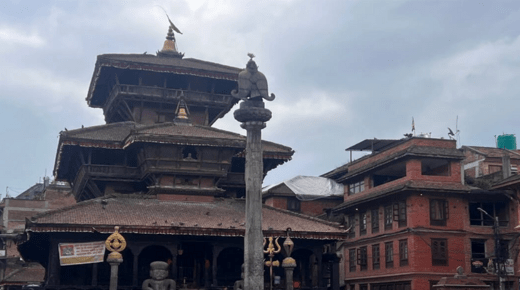
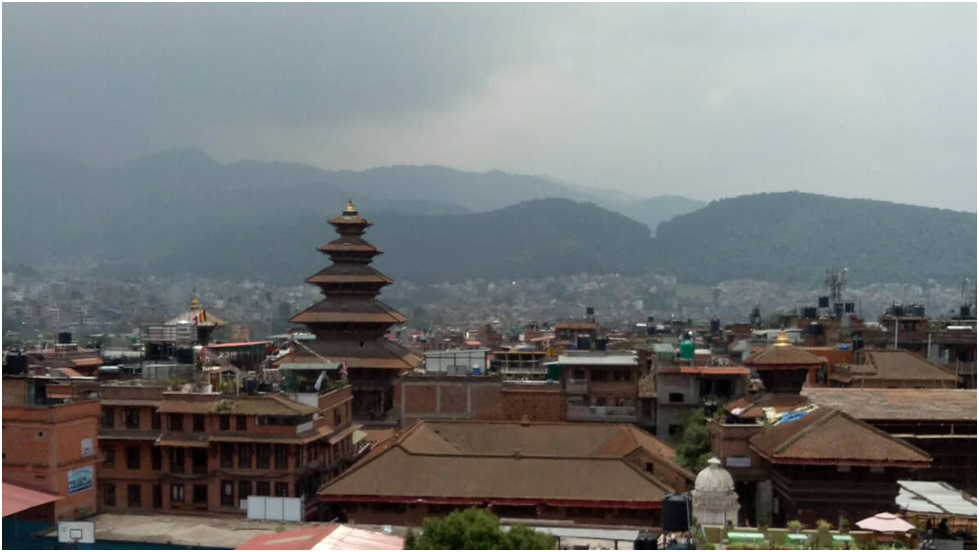
    • Historical Significance: Bhaktapur, also known as the “City of Devotees,” is renowned for its ancient temples, palaces, and traditional architecture. Founded in the 12th century, this medieval city offers a glimpse into Nepal’s rich past, with its well-preserved buildings and vibrant cultural practices. Bhaktapur is a UNESCO World Heritage Site and a prime example of Newari architecture and urban planning.
    • Durbar Square: The heart of Bhaktapur is its Durbar Square, a sprawling complex filled with stunning temples, courtyards, and palaces. Key highlights include the 55-Window Palace, which once served as the royal residence, and the Vatsala Temple, known for its intricate carvings and ancient stone sculptures. The square is a hub of local life, with artisans, markets, and traditional festivals adding to its vibrant atmosphere.

    Cultural Experiences: Bhaktapur is famous for its traditional arts and crafts, including pottery, weaving, and wood carving. Visitors can explore the local markets and workshops, where artisans continue to practice ancient techniques. The city is also known for its unique festivals, such as Biska Jatra, which celebrates the Nepalese New Year with colorful processions and traditional dances.The Bhaktapur and Patan Heritage Tour offers a deep dive into Nepal’s rich cultural and architectural heritage, showcasing two of the country’s most historically significant cities. Located just a short drive from Kathmandu, Bhaktapur and Patan (also known as Lalitpur) are renowned for their well-preserved medieval architecture, vibrant traditions, and artistic treasures. This tour provides an excellent opportunity to explore the ancient heart of Nepal and experience its rich history and culture.

    Patan: The Artistic Gem

    • Architectural Marvels: Patan, or Lalitpur, is renowned for its exceptional art and architecture. The city’s Durbar Square is a showcase of exquisite temples, palaces, and sculptures, reflecting the artistic achievements of the Malla kings who ruled the region. Notable landmarks include the Hiranya Varna Mahavihar (Golden Temple), known for its ornate golden façade, and the Mahabouddha Temple, which features thousands of miniature Buddha images.
    • Patan Museum: The Patan Museum, located in the former royal palace, is a must-visit attraction. It houses a vast collection of traditional Nepali art, including sculptures, paintings, and artifacts from various periods. The museum provides valuable insights into the history and culture of the region, offering a deeper understanding of Patan’s artistic heritage.
    • Local Craftsmanship: Patan is also known for its vibrant craft scene. Visitors can explore workshops and boutiques specializing in traditional crafts such as metalwork, wood carving, and textiles. The city’s narrow streets and bustling markets provide a lively setting for discovering local artisans and their work.

    Why Choose This Tour?

    The Bhaktapur and Patan Heritage Tour is ideal for travelers interested in exploring Nepal’s rich cultural and architectural heritage. It offers a unique opportunity to experience the beauty and history of two of Nepal’s most significant ancient cities, providing a comprehensive view of the country’s artistic and historical legacy.

    Conclusion

    The Bhaktapur and Patan Heritage Tour is a captivating journey through Nepal’s ancient cities, offering a rich tapestry of history, culture, and art. With its stunning temples, historic architecture, and vibrant local traditions, this tour provides an unforgettable experience for those eager to explore Nepal’s past and present. Whether you’re an art enthusiast, history buff, or cultural traveler, this tour promises a deep and enriching encounter with Nepal’s heritage.