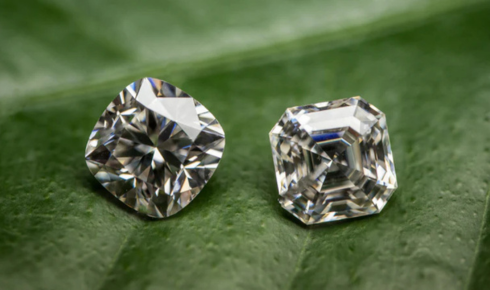
When it comes to choosing the perfect diamond, the decision often boils down to two options: lab-grown diamonds and natural diamonds. Each comes with its own unique set of characteristics, benefits, and considerations, making the choice deeply personal. For couples seeking eco-conscious options, sustainable engagement rings have become increasingly popular, highlighting the importance of understanding both types of diamonds before making a decision.
Lab-grown diamonds, also known as synthetic or cultured diamonds, are created in controlled laboratory environments that mimic the natural processes of diamond formation. These diamonds are chemically, physically, and optically identical to natural diamonds, meaning they possess the same brilliance, clarity, and durability. One of the most compelling advantages of lab-grown diamonds is their environmental impact. The production of lab-grown diamonds generally requires less energy and causes fewer disruptions to ecosystems compared to traditional diamond mining. Additionally, lab-grown diamonds tend to be more affordable, often costing 20-40% less than their natural counterparts, allowing buyers to invest in larger or higher-quality stones without breaking the budget.
On the other hand, natural diamonds are formed over millions of years deep within the Earth’s mantle, and they carry a sense of history and rarity that many people find appealing. The allure of owning a stone that is truly one-of-a-kind can be a major factor for those who value tradition and the symbolic weight of a naturally formed gem. Natural diamonds are also widely recognized and accepted in terms of resale value and investment potential, although this can vary based on market conditions. The ethical considerations of natural diamonds have improved significantly with initiatives like the Kimberley Process, which aims to prevent the sale of conflict diamonds. However, mining still has environmental consequences, and sustainability concerns remain a topic of discussion for environmentally conscious buyers.
When comparing the two, cost, environmental impact, and personal values play crucial roles in the decision-making process. Lab-grown diamonds offer transparency in sourcing and production, giving buyers confidence that their purchase aligns with ethical and environmental standards. They provide a more predictable price point and allow for flexibility in selecting size and quality. Natural diamonds, conversely, carry the prestige of being formed over geological time and can be seen as a traditional symbol of enduring love. Their uniqueness and history can appeal to individuals who prioritize the story behind their engagement ring.
Another important factor is longevity and care. Both lab-grown and natural diamonds share the same hardness and durability, meaning they will last a lifetime if properly cared for. Cleaning, setting, and maintenance practices remain identical for either choice, so practical considerations are largely similar. The decision often comes down to what resonates with personal beliefs, values, and budget constraints rather than performance differences.
Ultimately, the choice between lab-grown diamonds and natural diamonds is not about which is universally better, but which is better for you. Couples looking for eco-friendly, affordable, and ethically transparent options may find lab-grown diamonds ideal, especially for sustainable engagement rings. Those who value tradition, rarity, and the historical allure of natural gemstones may prefer natural diamonds. Understanding the differences, weighing personal priorities, and considering long-term implications will help ensure the choice reflects both love and values.
In conclusion, both lab-grown and natural diamonds offer exceptional beauty and timeless appeal. By considering factors like environmental impact, cost, tradition, and personal preference, buyers can confidently select the diamond that aligns with their lifestyle and values, making the engagement or special occasion even more meaningful. Whether choosing the cutting-edge sustainability of lab-grown diamonds or the historic elegance of natural diamonds, the ultimate reward is a piece that symbolizes love, commitment, and personal choice.